More
CALL to Skills
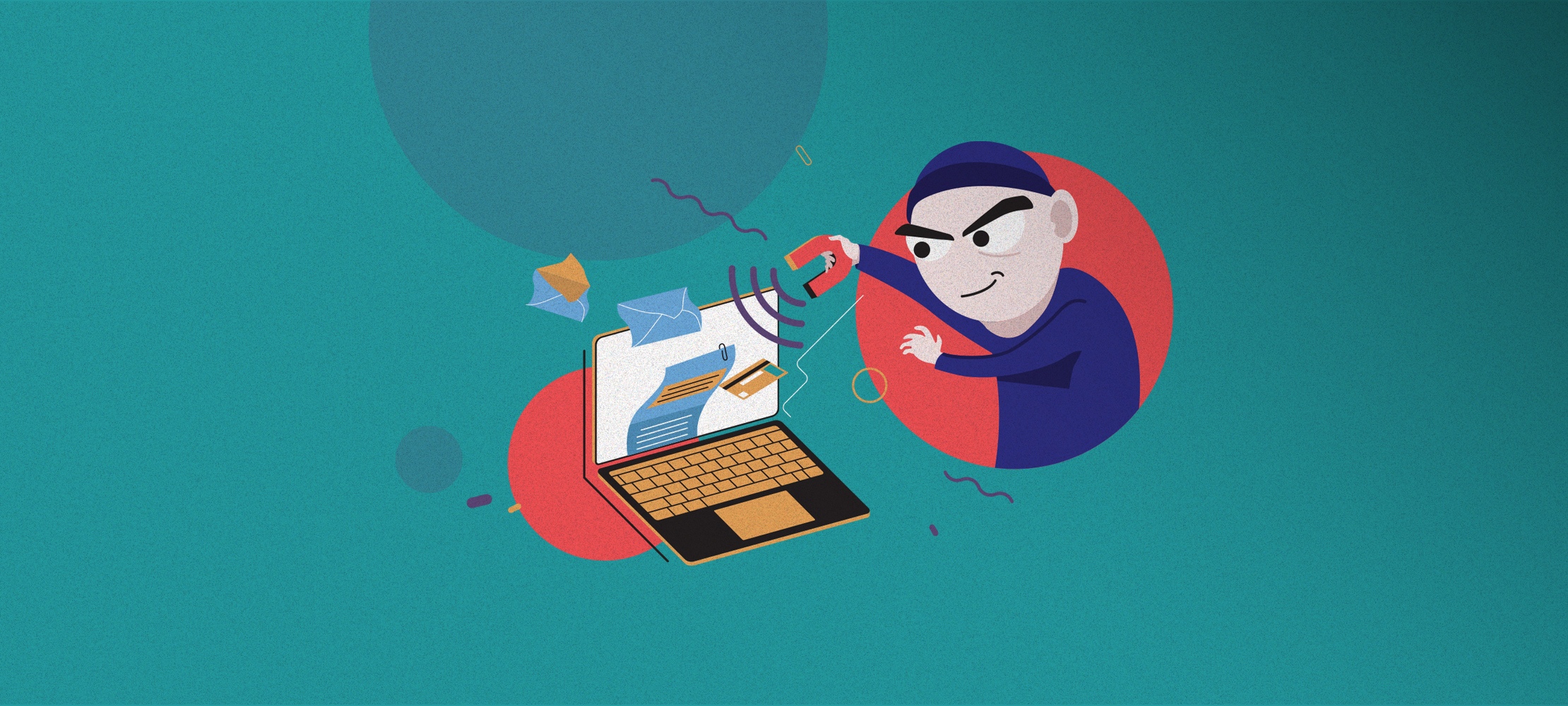
In June 2025, experts discovered a huge data leak of over 16 billion passwords online. It was not due to one attack but years of malware that were stealing login credentials from infected computers. Major services like Google, Apple, Facebook, and GitHub were among the ones featured in the leak.
Therefore many are recommending users to take cybersecurity seriously, by employing secure measures such as turning on two-factor authentication, using password managers and changing their passwords that might be compromised.
If you wish to know more details and other recommendations for this leak, click here.
In 2025, “passkey” has become a popular term in cybersecurity. It’s a new way of logging in that doesn’t rely on passwords at all (aka. passwordless). Instead, it uses secure keys connected to your device, making the whole process safer, quicker, and easier. With billions of passwords recently leaked and more scams popping up such as phishing emails and AI-generated voices, passkeys are a powerful way to protect our online identity and stay one step ahead of cyber threats.
To know more about passkeys, click here.
Understanding what qualifies as personal or sensitive data is essential to staying compliant with GDPR regulations, especially when interacting with digital tools. This brief interactive section invites you to review common examples and spot data that needs protection. Whether you're writing emails, managing customer records, or chatting with AI tools like ChatGPT or Copilot, it's important to recognize when sensitive information is being shared.
Click here and join the challenge.
We have a dedicated Security team that works diligently to ensure the protection of oursystems, data, and the overall cybersecurity posture of the organisation.
Should you have any questions, concerns, or need assistance regarding security matters, our team is here to help. Contact us!
In June 2025, experts discovered a huge data leak of over 16 billion passwords online. It was not due to one attack but years of malware that were stealing login credentials from infected computers. Major services like Google, Apple, Facebook, and GitHub were among the ones featured in the leak.
Therefore many are recommending users to take cybersecurity seriously, by employing secure measures such as turning on two-factor authentication, using password managers and changing their passwords that might be compromised.
If you wish to know more details and other recommendations for this leak, click here.
In 2025, “passkey” has become a popular term in cybersecurity. It’s a new way of logging in that doesn’t rely on passwords at all (aka. passwordless). Instead, it uses secure keys connected to your device, making the whole process safer, quicker, and easier. With billions of passwords recently leaked and more scams popping up such as phishing emails and AI-generated voices, passkeys are a powerful way to protect our online identity and stay one step ahead of cyber threats.
To know more about passkeys, click here.
Understanding what qualifies as personal or sensitive data is essential to staying compliant with GDPR regulations, especially when interacting with digital tools. This brief interactive section invites you to review common examples and spot data that needs protection. Whether you're writing emails, managing customer records, or chatting with AI tools like ChatGPT or Copilot, it's important to recognize when sensitive information is being shared.
Click here and join the challenge.
We have a dedicated Security team that works diligently to ensure the protection of oursystems, data, and the overall cybersecurity posture of the organisation.
Should you have any questions, concerns, or need assistance regarding security matters, our team is here to help. Contact us!
In June 2025, experts discovered a huge data leak of over 16 billion passwords online. It was not due to one attack but years of malware that were stealing login credentials from infected computers. Major services like Google, Apple, Facebook, and GitHub were among the ones featured in the leak.
Therefore many are recommending users to take cybersecurity seriously, by employing secure measures such as turning on two-factor authentication, using password managers and changing their passwords that might be compromised.
If you wish to know more details and other recommendations for this leak, click here.
In 2025, “passkey” has become a popular term in cybersecurity. It’s a new way of logging in that doesn’t rely on passwords at all (aka. passwordless). Instead, it uses secure keys connected to your device, making the whole process safer, quicker, and easier. With billions of passwords recently leaked and more scams popping up such as phishing emails and AI-generated voices, passkeys are a powerful way to protect our online identity and stay one step ahead of cyber threats.
To know more about passkeys, click here.
Understanding what qualifies as personal or sensitive data is essential to staying compliant with GDPR regulations, especially when interacting with digital tools. This brief interactive section invites you to review common examples and spot data that needs protection. Whether you're writing emails, managing customer records, or chatting with AI tools like ChatGPT or Copilot, it's important to recognize when sensitive information is being shared.
Click here and join the challenge.
We have a dedicated Security team that works diligently to ensure the protection of oursystems, data, and the overall cybersecurity posture of the organisation.
Should you have any questions, concerns, or need assistance regarding security matters, our team is here to help. Contact us!
.png)