More
CALL to Discovery

In an age where agility, innovation, and continuous improvement are vital, organizations must go beyond traditional training to foster a culture of learning. Prioritizing learning as a strategic imperative helps organizations adapt faster, innovate more effectively, and retain top talent.
Maturity Assessment is a critical step toward shaping a culture that supports experimentation, flexibility, and individual development. It reflects the commitment to not only offering learning opportunities but embedding them deeply into daily operations, leadership behaviours, and long-term strategies.
At Celfocus, we believe that learning is not an isolated activity but a strategic enabler of growth, performance, and employee engagement. With this in mind, we recently conducted a comprehensive study to evaluate our learning maturity and identify areas for continued development.
The survey targeted a diverse audience across the organization, including People managers and team leads, People team members (training, talent development, business partners, and talent acquisition), as well as trainers and training advisors.
The learning maturity model provides a framework to assess how effectively an organization enables continuous learning. The model measures progress across four maturity levels:
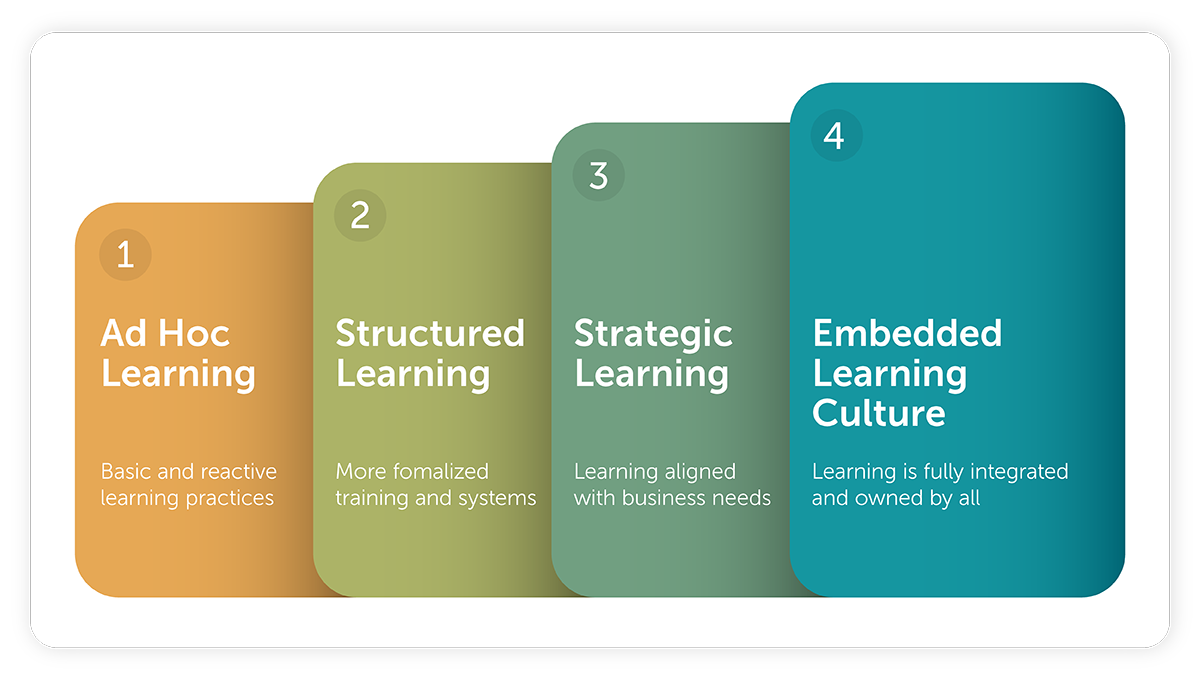
Positioned within the Strategic Learning stage, Celfocus demonstrates a solid foundation of structured learning processes, digital integration, and an evolving culture of continuous development. Opportunities to strengthen coaching and mentoring initiatives and more robust skills gap analysis are key areas identified for growth.
To address the identified gaps, Celfocus is currently exploring how to adapt and empower the various stakeholders involved in coaching and mentoring by assessing the most effective ways to ensure that these practices not only continue but are also enhanced within the new organizational structure. In parallel, skills gap analysis capabilities will be enhanced by leveraging advanced data-driven tools and analytics, enabling more precise identification of learning needs and targeted development interventions.
.jpg)
Q. How the takeaways from the learning maturity study align with Celfocus overall Learning & Development strategy?
A. The findings from the learning maturity study strongly reinforce the direction of our Learning & Development strategy. The study demonstrated our commitment to making learning a strategic enabler rather than a stand-alone activity. It also highlighted the importance of embedding learning into the flow of work, strengthening data-driven decision-making, understand skill gaps, and promoting a learner-centric culture. Overall, the study has validated much of our current direction and given us clearer focus areas for improvement.
Q. Which strengths identified in the study do you believe will have the most significant impact on enhancing Celfocus learning culture moving forward?
A. According to the survey, L&D Processes have been a key strength, with effective learning platforms, tools, and structured practices already in place. These processes ensure that we can track learning initiatives and continuously improve them based on feedback. They provide the framework to manage and scale our learning efforts effectively.
Our Learning Culture is also evolving positively. While there’s still work to do in fully embedding a culture of continuous learning across all levels, the strong support for learning environments is an excellent starting point. This culture encourages growth, collaboration, and the adoption of new learning methods.
Finally, Upskilling & Reskilling programs have already proven valuable, helping us build a solid foundation to meet future skill needs. These programs provide employees with the tools to adapt to new roles and emerging technologies, ensuring that the workforce remains competitive and well-prepared for future challenges.
As we progress, generative AI can significantly enhance these areas by personalizing learning experiences, recommending relevant upskilling courses, and generating tailored content. AI-powered tools also offer real-time insights into learner progress and skill gaps, enabling us to refine programs immediately. By integrating generative AI, we can automate content creation, personalize learning, and analyse learner behaviour to continuously improve our approach.
Q. Looking ahead, what is your vision for Celfocus’ learning culture, and how do you see the study contributing to the organization’s future success?
A: My vision is for learning to become fully embedded in how we work, where development happens not just in formal training sessions, but through everyday experiences, coaching moments, and collaborative projects. I also see learning becoming more personalized, so people can take ownership of their growth in ways that align with both their career goals and the business needs. The study gives us a roadmap to get there. It has helped us identify where we have strong foundations and where we need to evolve, especially in areas like data usage, coaching, and leadership development. With this clarity, we can better prioritize initiatives and track our progress toward building a more impactful learning culture.
The ongoing development of Celfocus learning maturity will enhance organizational agility and innovation. By continuously refining learning strategies and leveraging emerging technologies like AI, Celfocus can ensure that learning is deeply embedded in every aspect of its operations, ultimately fostering a thriving, adaptive workforce.
This article is brought to you by João Carp, Celfocus Head of Training.
In an age where agility, innovation, and continuous improvement are vital, organizations must go beyond traditional training to foster a culture of learning. Prioritizing learning as a strategic imperative helps organizations adapt faster, innovate more effectively, and retain top talent.
Maturity Assessment is a critical step toward shaping a culture that supports experimentation, flexibility, and individual development. It reflects the commitment to not only offering learning opportunities but embedding them deeply into daily operations, leadership behaviours, and long-term strategies.
At Celfocus, we believe that learning is not an isolated activity but a strategic enabler of growth, performance, and employee engagement. With this in mind, we recently conducted a comprehensive study to evaluate our learning maturity and identify areas for continued development.
The survey targeted a diverse audience across the organization, including People managers and team leads, People team members (training, talent development, business partners, and talent acquisition), as well as trainers and training advisors.
The learning maturity model provides a framework to assess how effectively an organization enables continuous learning. The model measures progress across four maturity levels:
Positioned within the Strategic Learning stage, Celfocus demonstrates a solid foundation of structured learning processes, digital integration, and an evolving culture of continuous development. Opportunities to strengthen coaching and mentoring initiatives and more robust skills gap analysis are key areas identified for growth.
To address the identified gaps, Celfocus is currently exploring how to adapt and empower the various stakeholders involved in coaching and mentoring by assessing the most effective ways to ensure that these practices not only continue but are also enhanced within the new organizational structure. In parallel, skills gap analysis capabilities will be enhanced by leveraging advanced data-driven tools and analytics, enabling more precise identification of learning needs and targeted development interventions.
Q. How the takeaways from the learning maturity study align with Celfocus overall Learning & Development strategy?
A. The findings from the learning maturity study strongly reinforce the direction of our Learning & Development strategy. The study demonstrated our commitment to making learning a strategic enabler rather than a stand-alone activity. It also highlighted the importance of embedding learning into the flow of work, strengthening data-driven decision-making, understand skill gaps, and promoting a learner-centric culture. Overall, the study has validated much of our current direction and given us clearer focus areas for improvement.
Q. Which strengths identified in the study do you believe will have the most significant impact on enhancing Celfocus learning culture moving forward?
A. According to the survey, L&D Processes have been a key strength, with effective learning platforms, tools, and structured practices already in place. These processes ensure that we can track learning initiatives and continuously improve them based on feedback. They provide the framework to manage and scale our learning efforts effectively.
Our Learning Culture is also evolving positively. While there’s still work to do in fully embedding a culture of continuous learning across all levels, the strong support for learning environments is an excellent starting point. This culture encourages growth, collaboration, and the adoption of new learning methods.
Finally, Upskilling & Reskilling programs have already proven valuable, helping us build a solid foundation to meet future skill needs. These programs provide employees with the tools to adapt to new roles and emerging technologies, ensuring that the workforce remains competitive and well-prepared for future challenges.
As we progress, generative AI can significantly enhance these areas by personalizing learning experiences, recommending relevant upskilling courses, and generating tailored content. AI-powered tools also offer real-time insights into learner progress and skill gaps, enabling us to refine programs immediately. By integrating generative AI, we can automate content creation, personalize learning, and analyse learner behaviour to continuously improve our approach.
Q. Looking ahead, what is your vision for Celfocus’ learning culture, and how do you see the study contributing to the organization’s future success?
A: My vision is for learning to become fully embedded in how we work, where development happens not just in formal training sessions, but through everyday experiences, coaching moments, and collaborative projects. I also see learning becoming more personalized, so people can take ownership of their growth in ways that align with both their career goals and the business needs. The study gives us a roadmap to get there. It has helped us identify where we have strong foundations and where we need to evolve, especially in areas like data usage, coaching, and leadership development. With this clarity, we can better prioritize initiatives and track our progress toward building a more impactful learning culture.
The ongoing development of Celfocus learning maturity will enhance organizational agility and innovation. By continuously refining learning strategies and leveraging emerging technologies like AI, Celfocus can ensure that learning is deeply embedded in every aspect of its operations, ultimately fostering a thriving, adaptive workforce.
This article is brought to you by João Carp, Celfocus Head of Training.
In an age where agility, innovation, and continuous improvement are vital, organizations must go beyond traditional training to foster a culture of learning. Prioritizing learning as a strategic imperative helps organizations adapt faster, innovate more effectively, and retain top talent.
Maturity Assessment is a critical step toward shaping a culture that supports experimentation, flexibility, and individual development. It reflects the commitment to not only offering learning opportunities but embedding them deeply into daily operations, leadership behaviours, and long-term strategies.
At Celfocus, we believe that learning is not an isolated activity but a strategic enabler of growth, performance, and employee engagement. With this in mind, we recently conducted a comprehensive study to evaluate our learning maturity and identify areas for continued development.
The survey targeted a diverse audience across the organization, including People managers and team leads, People team members (training, talent development, business partners, and talent acquisition), as well as trainers and training advisors.
The learning maturity model provides a framework to assess how effectively an organization enables continuous learning. The model measures progress across four maturity levels:
Positioned within the Strategic Learning stage, Celfocus demonstrates a solid foundation of structured learning processes, digital integration, and an evolving culture of continuous development. Opportunities to strengthen coaching and mentoring initiatives and more robust skills gap analysis are key areas identified for growth.
To address the identified gaps, Celfocus is currently exploring how to adapt and empower the various stakeholders involved in coaching and mentoring by assessing the most effective ways to ensure that these practices not only continue but are also enhanced within the new organizational structure. In parallel, skills gap analysis capabilities will be enhanced by leveraging advanced data-driven tools and analytics, enabling more precise identification of learning needs and targeted development interventions.
Q. How the takeaways from the learning maturity study align with Celfocus overall Learning & Development strategy?
A. The findings from the learning maturity study strongly reinforce the direction of our Learning & Development strategy. The study demonstrated our commitment to making learning a strategic enabler rather than a stand-alone activity. It also highlighted the importance of embedding learning into the flow of work, strengthening data-driven decision-making, understand skill gaps, and promoting a learner-centric culture. Overall, the study has validated much of our current direction and given us clearer focus areas for improvement.
Q. Which strengths identified in the study do you believe will have the most significant impact on enhancing Celfocus learning culture moving forward?
A. According to the survey, L&D Processes have been a key strength, with effective learning platforms, tools, and structured practices already in place. These processes ensure that we can track learning initiatives and continuously improve them based on feedback. They provide the framework to manage and scale our learning efforts effectively.
Our Learning Culture is also evolving positively. While there’s still work to do in fully embedding a culture of continuous learning across all levels, the strong support for learning environments is an excellent starting point. This culture encourages growth, collaboration, and the adoption of new learning methods.
Finally, Upskilling & Reskilling programs have already proven valuable, helping us build a solid foundation to meet future skill needs. These programs provide employees with the tools to adapt to new roles and emerging technologies, ensuring that the workforce remains competitive and well-prepared for future challenges.
As we progress, generative AI can significantly enhance these areas by personalizing learning experiences, recommending relevant upskilling courses, and generating tailored content. AI-powered tools also offer real-time insights into learner progress and skill gaps, enabling us to refine programs immediately. By integrating generative AI, we can automate content creation, personalize learning, and analyse learner behaviour to continuously improve our approach.
Q. Looking ahead, what is your vision for Celfocus’ learning culture, and how do you see the study contributing to the organization’s future success?
A: My vision is for learning to become fully embedded in how we work, where development happens not just in formal training sessions, but through everyday experiences, coaching moments, and collaborative projects. I also see learning becoming more personalized, so people can take ownership of their growth in ways that align with both their career goals and the business needs. The study gives us a roadmap to get there. It has helped us identify where we have strong foundations and where we need to evolve, especially in areas like data usage, coaching, and leadership development. With this clarity, we can better prioritize initiatives and track our progress toward building a more impactful learning culture.
The ongoing development of Celfocus learning maturity will enhance organizational agility and innovation. By continuously refining learning strategies and leveraging emerging technologies like AI, Celfocus can ensure that learning is deeply embedded in every aspect of its operations, ultimately fostering a thriving, adaptive workforce.
This article is brought to you by João Carp, Celfocus Head of Training.
.png)