To You
-
FLASH INTERVIEW
Unfiltered
Diversity at the core
CALL to Authenticity
Jul 2026
To You
-
FLASH INTERVIEW
Unfiltered
Diversity at the core
CALL to Authenticity
Jul 2026
EDITION EDITORIAL & OVERVIEW
Unfiltered
#
69
CALL to Authenticity
-
Jul 2026

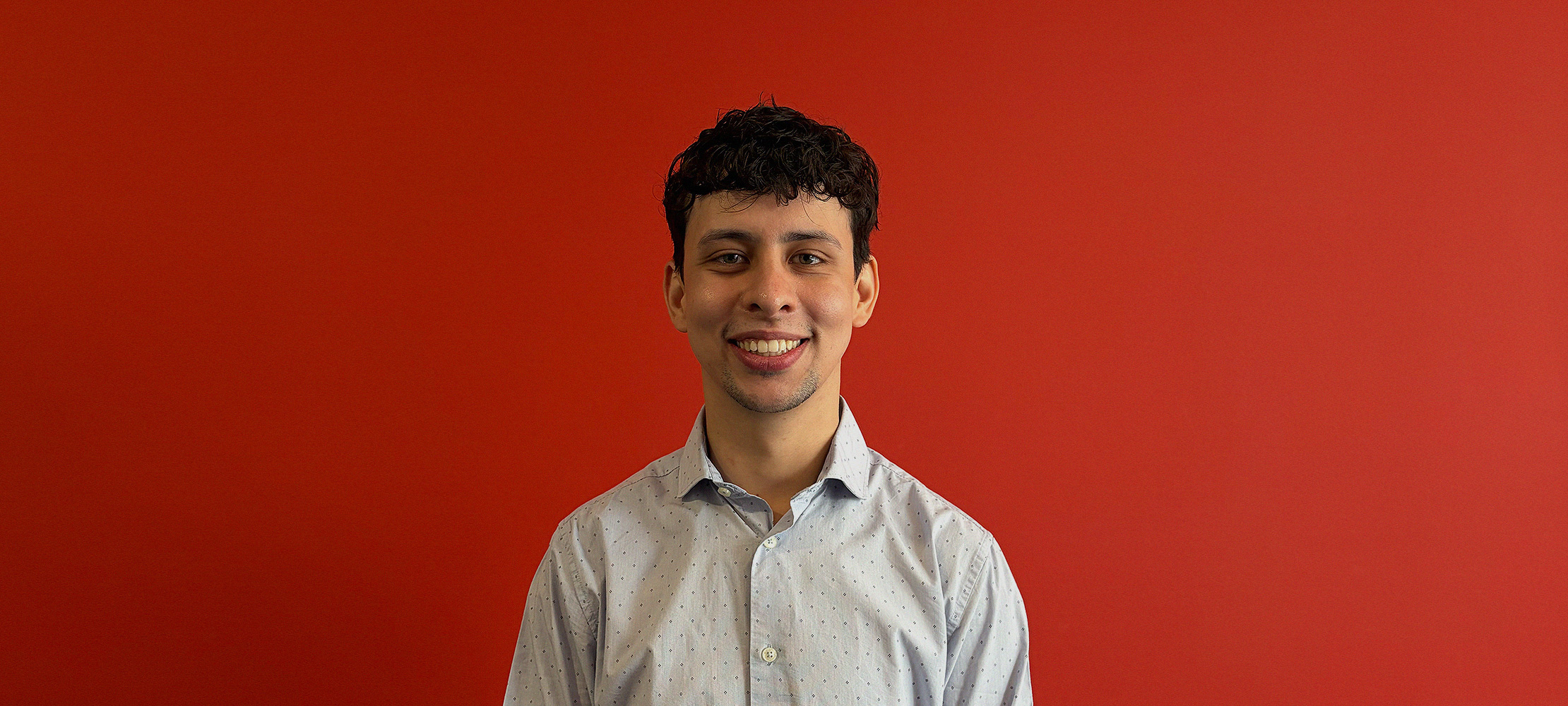
Meet Lucas Castilho

While diversity and inclusion are widely part of the conversation today, there’s still a perception it’s more about image than business value. What’s the real impact in an organisation?

The standardization of everything would mean oversimplifying our workforce. The fact that someone may have a different skin color, a different sexual orientation, or a different ability doesn’t make them any less worthy. In fact, it affirms their value as a human being. There are many ways of being, and that plurality adds to an organization.

In a diverse group, we break out of common thinking and diversify our cognitive power, which truly brings new ideas to the business and improves both strategic and operational decisions, challenging default mindsets.

If we increase diversity and inclusion in a company, we will certainly retain talent and make the environment increasingly safe for people to work and feel well at work, contributing more and more with ideas and innovation.

In your perspective, if someone joined Celfocus tomorrow, what would make them feel “we’re on the right path” - and what would tell them, “There’s still some work to do”?

The progress of our company has been visible through the reinforcement of inclusion initiatives and support for minorities, sometimes reflected in employees’ own language or in informational panels about the actions of the diversity and inclusion group.

My coming out at the company was a curious experience. Having felt prejudice before I was afraid to bring up the subject. However, I was warmly received by my colleagues. Speaking up early was important, as it allowed me to tap into my talents and be seen as an ordinary person, not a “seven-headed beast.” The only difference is sexual orientation, and that doesn’t define me - in everything else, I’m like anyone else.

Yet, I still see room for improvement as to guarantee people aren’t afraid to talk openly about their sexuality or what makes them different without prejudice. It would be valuable to continue strengthening how we address situations related to discrimination, ensuring a clear and consistent approach that reinforces our commitment to inclusion. Creating awareness and fostering understanding of behaviors could further enhance trust, fairness, and psychological safety across the organization.

Sometimes the line between “inclusion” and “tolerance” can get blurry. In day-to-day work, what actually makes the difference?

I don’t believe there is a line between tolerance and inclusion. I believe there is an ocean that separates those definitions.

In my words, tolerance is something we don’t agree with yet but we accept it. I might think adding mustard to a pizza is a crime - but tolerance is choosing not to interfere, even when I disagree. It’s about letting differences exist without pushing them away.

Inclusion goes further: it’s about shaping the experience, so those differences don’t feel like exceptions in the first place. It’s making sure everyone feels they belong at the table - not just allowed to sit there, but genuinely welcome.

Inclusion is what turns acceptance into action - from braille menus to spaces designed so everyone can navigate, order, and enjoy the experience independently.

For me, tolerance means coexistence; inclusion means ensuring respect, voice, and safety.

Working with an LGBTQIAPN+ person or saying, “I have LGBTQ friends,” is not proof of inclusion. What truly demonstrates inclusion is how someone acts when faced with a prejudiced comment, exclusion, or an unfair situation. Including when that colleague is not present. Acting in scenarios of prejudice help us to create safe environments.

No items found.

Have you ever caught yourself filtering things at work because you felt you needed that to fit in? If so, how did you push back against it?

Yes, I’ve caught myself filtering how I show up at work to fit in. Sometimes it’s small things, questioning whether certain choices, like wearing lip gloss or earrings, might be perceived differently in a professional context. Even when I believe they shouldn’t matter, there’s still an instinct to adjust and blend in first.

Pushing back has been a gradual process. It started with recognizing that this needs to filter doesn’t come from nowhere, it reflects unspoken norms and past experiences. Over time, I’ve become more conscious of those patterns and more intentional about showing up in a way that feels authentic, rather than constantly adapting to fit expectations. I still catch myself doing it, but I’m learning to challenge that instinct more consistently.

As AI becomes part of our everyday life, what conversations do you think we’re still avoiding?

The economy exists to serve human beings. We forget the obvious: we can optimize products, automate processes, and scale production, but without people with income, time, and desire to consume (and first, to live), the wheel doesn’t turn. Production without the power of life is just inventory sitting still. We’ve already surfed “waves” that reduce people to consumer niches: from “pink money” yesterday to “AI” today. The risk is turning diversity into a fad and technology into a fetish for efficiency, erasing subjectivities and real inequalities.

What is AI actually improving? While some gain productivity, many fear losing jobs, income, and autonomy. The same engine that accelerates discovery also accelerates disinformation and dehumanizing narratives, especially when minorities aren’t seen as part of society, only as “noise” with no market value.

So, to answer the question, with AI, will people on society’s margins (LGBTQI+, Black people, immigrants, people with disabilities, poor communities) be recognized as subjects of rights or merely as disposable data?

Technology without ethics and participation widens the gap. When we don’t see people as people, we design for metrics, not for lives; we optimize clicks and cut out stories. The imperative is both political and practical: to fight inside and outside organizations so that people are treated as subjects (with thoughts, pain, joy, and projects) not as segments in yet another wave.
5 years from now, what do you think will feel outdated about the way diversity and inclusion are approached today?

In five years, I don’t expect a major transformation, but I do believe we will continue moving forward. If we look at other social movements, like the Black Movement, we see that after more than 400 years of struggle there are still challenges.

I recently saw a report that Portugal fell in the European rankings for acceptance of LGBT people, and that report referred to legal rights, not society itself. So within society, we can see that there is still a long way to go; just as prejudice took centuries to shape reality as it is today, the work of dismantling these ideas will also take time but it is happening, step by step.

Within our organization, I hope the taboos around certain topics continue to be demystified and that there is a growing collective effort, so that every and each person feel included, regardless of any orientation, choice, decision, or situation a person is in.

I’m not a seer who can predict the future, but as far as it depends on me, I continue to create impact through my participation in the Acting with Purpose team and contribute to bringing these topics to the table and helping drive initiatives that move us forward.

Check out Lucas's cultural recommendations and get inspired here!

No items found.

Meet Lucas Castilho

No items found.

Have you ever caught yourself filtering things at work because you felt you needed that to fit in? If so, how did you push back against it?

Yes, I’ve caught myself filtering how I show up at work to fit in. Sometimes it’s small things, questioning whether certain choices, like wearing lip gloss or earrings, might be perceived differently in a professional context. Even when I believe they shouldn’t matter, there’s still an instinct to adjust and blend in first.

Pushing back has been a gradual process. It started with recognizing that this needs to filter doesn’t come from nowhere, it reflects unspoken norms and past experiences. Over time, I’ve become more conscious of those patterns and more intentional about showing up in a way that feels authentic, rather than constantly adapting to fit expectations. I still catch myself doing it, but I’m learning to challenge that instinct more consistently.

No items found.

Meet Lucas Castilho

While diversity and inclusion are widely part of the conversation today, there’s still a perception it’s more about image than business value. What’s the real impact in an organisation?

The standardization of everything would mean oversimplifying our workforce. The fact that someone may have a different skin color, a different sexual orientation, or a different ability doesn’t make them any less worthy. In fact, it affirms their value as a human being. There are many ways of being, and that plurality adds to an organization.

In a diverse group, we break out of common thinking and diversify our cognitive power, which truly brings new ideas to the business and improves both strategic and operational decisions, challenging default mindsets.

If we increase diversity and inclusion in a company, we will certainly retain talent and make the environment increasingly safe for people to work and feel well at work, contributing more and more with ideas and innovation.

In your perspective, if someone joined Celfocus tomorrow, what would make them feel “we’re on the right path” - and what would tell them, “There’s still some work to do”?

The progress of our company has been visible through the reinforcement of inclusion initiatives and support for minorities, sometimes reflected in employees’ own language or in informational panels about the actions of the diversity and inclusion group.

My coming out at the company was a curious experience. Having felt prejudice before I was afraid to bring up the subject. However, I was warmly received by my colleagues. Speaking up early was important, as it allowed me to tap into my talents and be seen as an ordinary person, not a “seven-headed beast.” The only difference is sexual orientation, and that doesn’t define me - in everything else, I’m like anyone else.

Yet, I still see room for improvement as to guarantee people aren’t afraid to talk openly about their sexuality or what makes them different without prejudice. It would be valuable to continue strengthening how we address situations related to discrimination, ensuring a clear and consistent approach that reinforces our commitment to inclusion. Creating awareness and fostering understanding of behaviors could further enhance trust, fairness, and psychological safety across the organization.

Sometimes the line between “inclusion” and “tolerance” can get blurry. In day-to-day work, what actually makes the difference?

I don’t believe there is a line between tolerance and inclusion. I believe there is an ocean that separates those definitions.

In my words, tolerance is something we don’t agree with yet but we accept it. I might think adding mustard to a pizza is a crime - but tolerance is choosing not to interfere, even when I disagree. It’s about letting differences exist without pushing them away.

Inclusion goes further: it’s about shaping the experience, so those differences don’t feel like exceptions in the first place. It’s making sure everyone feels they belong at the table - not just allowed to sit there, but genuinely welcome.

Inclusion is what turns acceptance into action - from braille menus to spaces designed so everyone can navigate, order, and enjoy the experience independently.

For me, tolerance means coexistence; inclusion means ensuring respect, voice, and safety.

Working with an LGBTQIAPN+ person or saying, “I have LGBTQ friends,” is not proof of inclusion. What truly demonstrates inclusion is how someone acts when faced with a prejudiced comment, exclusion, or an unfair situation. Including when that colleague is not present. Acting in scenarios of prejudice help us to create safe environments.

No items found.

Have you ever caught yourself filtering things at work because you felt you needed that to fit in? If so, how did you push back against it?

Yes, I’ve caught myself filtering how I show up at work to fit in. Sometimes it’s small things, questioning whether certain choices, like wearing lip gloss or earrings, might be perceived differently in a professional context. Even when I believe they shouldn’t matter, there’s still an instinct to adjust and blend in first.

Pushing back has been a gradual process. It started with recognizing that this needs to filter doesn’t come from nowhere, it reflects unspoken norms and past experiences. Over time, I’ve become more conscious of those patterns and more intentional about showing up in a way that feels authentic, rather than constantly adapting to fit expectations. I still catch myself doing it, but I’m learning to challenge that instinct more consistently.

As AI becomes part of our everyday life, what conversations do you think we’re still avoiding?

The economy exists to serve human beings. We forget the obvious: we can optimize products, automate processes, and scale production, but without people with income, time, and desire to consume (and first, to live), the wheel doesn’t turn. Production without the power of life is just inventory sitting still. We’ve already surfed “waves” that reduce people to consumer niches: from “pink money” yesterday to “AI” today. The risk is turning diversity into a fad and technology into a fetish for efficiency, erasing subjectivities and real inequalities.

What is AI actually improving? While some gain productivity, many fear losing jobs, income, and autonomy. The same engine that accelerates discovery also accelerates disinformation and dehumanizing narratives, especially when minorities aren’t seen as part of society, only as “noise” with no market value.

So, to answer the question, with AI, will people on society’s margins (LGBTQI+, Black people, immigrants, people with disabilities, poor communities) be recognized as subjects of rights or merely as disposable data?

Technology without ethics and participation widens the gap. When we don’t see people as people, we design for metrics, not for lives; we optimize clicks and cut out stories. The imperative is both political and practical: to fight inside and outside organizations so that people are treated as subjects (with thoughts, pain, joy, and projects) not as segments in yet another wave.

5 years from now, what do you think will feel outdated about the way diversity and inclusion are approached today?

In five years, I don’t expect a major transformation, but I do believe we will continue moving forward. If we look at other social movements, like the Black Movement, we see that after more than 400 years of struggle there are still challenges.

I recently saw a report that Portugal fell in the European rankings for acceptance of LGBT people, and that report referred to legal rights, not society itself. So within society, we can see that there is still a long way to go; just as prejudice took centuries to shape reality as it is today, the work of dismantling these ideas will also take time but it is happening, step by step.

Within our organization, I hope the taboos around certain topics continue to be demystified and that there is a growing collective effort, so that every and each person feel included, regardless of any orientation, choice, decision, or situation a person is in.

I’m not a seer who can predict the future, but as far as it depends on me, I continue to create impact through my participation in the Acting with Purpose team and contribute to bringing these topics to the table and helping drive initiatives that move us forward.

Check out Lucas's cultural recommendations and get inspired here!

No items found.
Go Back
Let Us Know Your Thoughts About Our Newsletter!
Start by
Saying Hi!
© 2026 Celfocus. All rights reserved.
Let Us Know Your Thoughts About Our Newsletter!
Start by
Saying Hi!
© 2026 Celfocus. All rights reserved.
98
98
unfiltered-1
50
becoming-ai-first-
40
shared-voices
43
raising-the-bar
60
power-bi-vs-tableau
71
closing-the-gap
45
come-along
99
the-other-side
71
vtv-ai-hub
80
celebrating-10-years
55
non-stop
93
under-the-roof
100
true-colors-69
90
10-years-of-breakthroughs
92
10-years-of-collaboration
91
10-years-of-people