More
CALL To Growth
.png)
Cloud computing has revolutionized business operations by providing scalable IT infrastructure, on-demand resources, and cost-effective solutions. However, the migration of critical data and applications to cloud environments has introduced new cybersecurity challenges.
The security of cloud environments is critical, as data breaches and cyber-attacks can lead to severe consequences, including unauthorized access to sensitive information, financial losses, and damage to an organization's reputation.
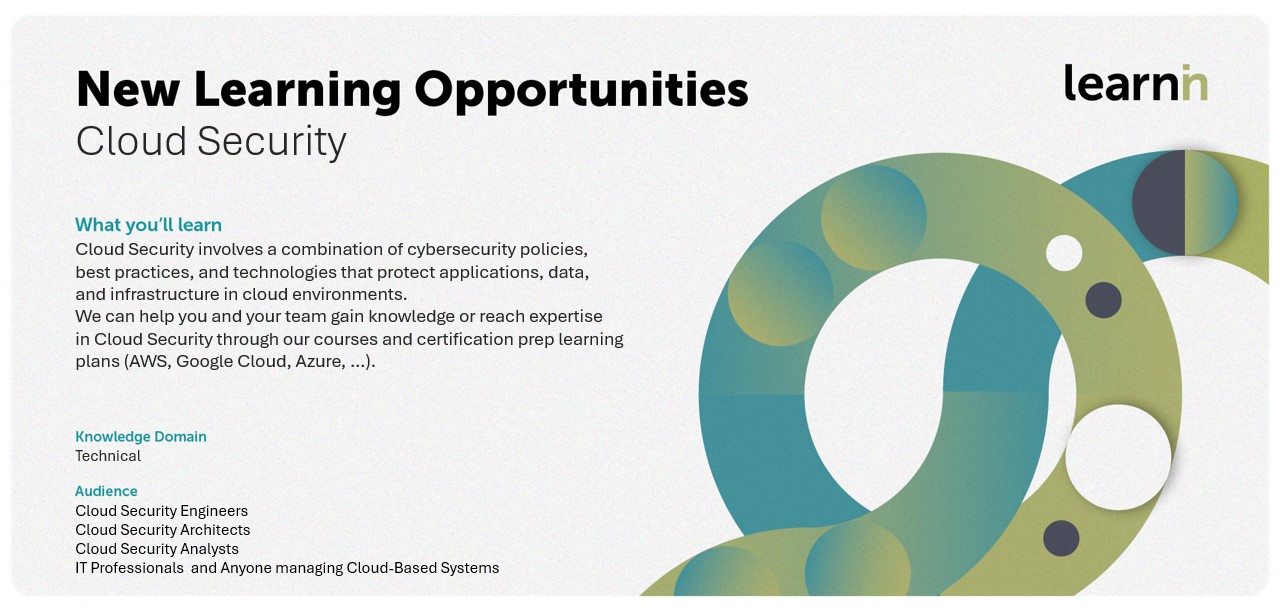
Cloud security requires a combination of cybersecurity policies, best practices, and technologies to safeguard applications, data, and infrastructure. It plays a crucial role in securing storage and networks, managing access, enforcing compliance, and enabling disaster recovery.
As the cloud ecosystem expands, cyber threats targeting cloud-based assets have become increasingly sophisticated. Organizations must equip their workforce with cloud security expertise to defend against these evolving risks.
A common misconception is that cloud service providers handle all security aspects. While providers offer robust security features, the shared responsibility model means organizations must secure their own configurations, access controls, and data.
According to the McAfee 2025 cybersecurity predictions report, AI-driven cyber threats are becoming more advanced, making scams more convincing and harder to detect. This valuable insight underscores the imperative need for effective security training.
Employees must be able to recognize and respond to potential threats, such as securing access credentials, avoiding phishing scams, and implementing suitable data encryption practices. Cloud security training is essential to fostering a security-first culture, ensuring that employees understand the shared responsibility of protecting organizational data.
Cloud environments can be complex, requiring employees to understand proper configuration and management practices. Training bridges this knowledge gap, helping employees avoid common misconfigurations that could lead to security vulnerabilities.
Celfocus training provides a comprehensive range of courses and certification prep learning plans designed to help you and your team reach expertise in handling security breaches, preventing data loss, or other cloud-related incidents. Additionally, regular training and simulation exercises, such as penetration testing and phishing simulations are conducted confirming employees are well-prepared to handle real-world security threats.
Beyond technical skills, Celfocus training promotes security awareness, empowering employees to detect phishing attempts, identify weak points in cloud infrastructure, and adhere to strict data privacy policies.
Q. Why do you think many organizations are still not prioritizing cloud security, despite the increasing number of cyber threats?
A. Many organizations still see cloud security as an afterthought. One of the main reasons is the false sense of security that cloud providers will handle everything. While they offer robust security features, the shared responsibility model means that organizations must secure their configurations, access controls, and data.
Another major issue is speed over security. Companies rush to migrate workloads to the cloud without properly addressing security controls, often assuming they’ll fix them later - which rarely happens.
Finally, there’s a skills gap. Many teams lack cloud security expertise, leading to misconfigurations like publicly exposed storage buckets, overly permissive IAM roles, or unmonitored API endpoints. A real-world example is the 2019’s Capital One data breach, where a misconfigured AWS firewall led to the exposure of over 100 million customer records, with client’s settlement’s cost up to 190 million dollars.
Q. How does cloud security training help prevent data breaches and protect sensitive customer or company data?
A. Cloud security training plays a crucial role in Application Security (AppSec) and DevSecOps, ensuring that security is integrated into the entire software development lifecycle (SDLC) rather than being an afterthought. Many breaches occur due to vulnerabilities in application code, insecure configurations, or weaknesses in the CI/CD pipeline. Without adequate training, developers and operations teams may unintentionally introduce security flaws that attackers can exploit.
A well-trained workforce understands how to implement secure coding practices, such as input validation, appropriate authentication and authorization mechanisms, and secure API design. For example, SQL injection and broken access control remain among the most common security vulnerabilities, according to the OWASP Top 10. Training developers to use parameterized queries, enforce least privilege access, and implement security headers helps mitigate these risks before applications are deployed.
Integrating Celfocus’ Security by Design methodology into cloud security training enhances Application Security and aligns with DevSecOps principles, effectively preventing data breaches and protecting sensitive information. Training teams to use SAST (Static Application Security Testing), DAST (Dynamic Application Security Testing), and SCA (Software Composition Analysis) ensures that vulnerabilities are detected early. This approach emphasizes embedding security measures throughout the Software Development Lifecycle (SDLC), ensuring that security is a continuous, proactive process rather than a reactive afterthought.
We advocate for a holistic view of software development, where security plays a fundamental role. Teams are trained to ensure Security by Design, which is considered the most effective approach to prevent code vulnerabilities and influence the overall product strategy by shifting security controls to the left.
Q. What are some of the business benefits—beyond just reducing security risks—of having a well-trained workforce in cloud security?
A. A security-trained workforce doesn’t just prevent breaches - it boosts efficiency, trust, and innovation. I’ve seen teams struggle with last-minute security issues, that need to work long nights and weekend, delay projects, increase costs, and created operational chaos. When security is embedded early, development runs smoother, releases are faster, and compliance isn’t a last-minute fire drill.
Regulatory compliance becomes a natural outcome rather than a burden. Teams that understand ISO 27001, GDPR, and cloud security best practices ensure smoother audits, reducing risks of penalties or reputational damage. Beyond compliance, customers trust companies that demonstrate security maturity, turning security into a competitive advantage.
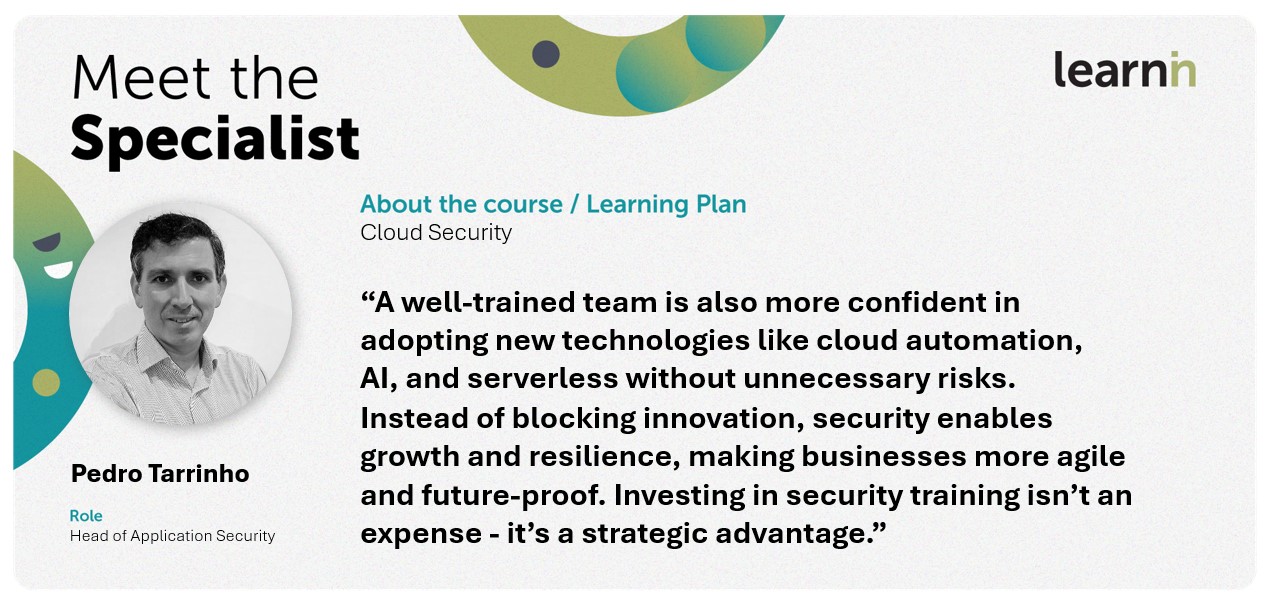
A well-trained team is also more confident in adopting new technologies like cloud automation, AI, and serverless without unnecessary risks. Instead of blocking innovation, security enables growth and resilience, making businesses more agile and future-proof. Investing in security training isn’t an expense - it’s a strategic advantage.
___________________________
Cloud security training is no longer optional; it is a necessary investment for organizations seeking to protect their data, comply with regulations, and maintain a competitive edge. Organizations that prioritize security training mitigate risks, minimize human error, and foster a culture of security-conscious decision-making.
Celfocus will keep promoting cloud security training and certification, reinforcing security as a fundamental component of business success. To learn more about the security cloud training and certification offer, please explore our catalogue here or contact us at celfocus.training@celfocus.com
Cloud computing has revolutionized business operations by providing scalable IT infrastructure, on-demand resources, and cost-effective solutions. However, the migration of critical data and applications to cloud environments has introduced new cybersecurity challenges.
The security of cloud environments is critical, as data breaches and cyber-attacks can lead to severe consequences, including unauthorized access to sensitive information, financial losses, and damage to an organization's reputation.
Cloud security requires a combination of cybersecurity policies, best practices, and technologies to safeguard applications, data, and infrastructure. It plays a crucial role in securing storage and networks, managing access, enforcing compliance, and enabling disaster recovery.
As the cloud ecosystem expands, cyber threats targeting cloud-based assets have become increasingly sophisticated. Organizations must equip their workforce with cloud security expertise to defend against these evolving risks.
A common misconception is that cloud service providers handle all security aspects. While providers offer robust security features, the shared responsibility model means organizations must secure their own configurations, access controls, and data.
According to the McAfee 2025 cybersecurity predictions report, AI-driven cyber threats are becoming more advanced, making scams more convincing and harder to detect. This valuable insight underscores the imperative need for effective security training.
Employees must be able to recognize and respond to potential threats, such as securing access credentials, avoiding phishing scams, and implementing suitable data encryption practices. Cloud security training is essential to fostering a security-first culture, ensuring that employees understand the shared responsibility of protecting organizational data.
Cloud environments can be complex, requiring employees to understand proper configuration and management practices. Training bridges this knowledge gap, helping employees avoid common misconfigurations that could lead to security vulnerabilities.
Celfocus training provides a comprehensive range of courses and certification prep learning plans designed to help you and your team reach expertise in handling security breaches, preventing data loss, or other cloud-related incidents. Additionally, regular training and simulation exercises, such as penetration testing and phishing simulations are conducted confirming employees are well-prepared to handle real-world security threats.
Beyond technical skills, Celfocus training promotes security awareness, empowering employees to detect phishing attempts, identify weak points in cloud infrastructure, and adhere to strict data privacy policies.
Q. Why do you think many organizations are still not prioritizing cloud security, despite the increasing number of cyber threats?
A. Many organizations still see cloud security as an afterthought. One of the main reasons is the false sense of security that cloud providers will handle everything. While they offer robust security features, the shared responsibility model means that organizations must secure their configurations, access controls, and data.
Another major issue is speed over security. Companies rush to migrate workloads to the cloud without properly addressing security controls, often assuming they’ll fix them later - which rarely happens.
Finally, there’s a skills gap. Many teams lack cloud security expertise, leading to misconfigurations like publicly exposed storage buckets, overly permissive IAM roles, or unmonitored API endpoints. A real-world example is the 2019’s Capital One data breach, where a misconfigured AWS firewall led to the exposure of over 100 million customer records, with client’s settlement’s cost up to 190 million dollars.
Q. How does cloud security training help prevent data breaches and protect sensitive customer or company data?
A. Cloud security training plays a crucial role in Application Security (AppSec) and DevSecOps, ensuring that security is integrated into the entire software development lifecycle (SDLC) rather than being an afterthought. Many breaches occur due to vulnerabilities in application code, insecure configurations, or weaknesses in the CI/CD pipeline. Without adequate training, developers and operations teams may unintentionally introduce security flaws that attackers can exploit.
A well-trained workforce understands how to implement secure coding practices, such as input validation, appropriate authentication and authorization mechanisms, and secure API design. For example, SQL injection and broken access control remain among the most common security vulnerabilities, according to the OWASP Top 10. Training developers to use parameterized queries, enforce least privilege access, and implement security headers helps mitigate these risks before applications are deployed.
Integrating Celfocus’ Security by Design methodology into cloud security training enhances Application Security and aligns with DevSecOps principles, effectively preventing data breaches and protecting sensitive information. Training teams to use SAST (Static Application Security Testing), DAST (Dynamic Application Security Testing), and SCA (Software Composition Analysis) ensures that vulnerabilities are detected early. This approach emphasizes embedding security measures throughout the Software Development Lifecycle (SDLC), ensuring that security is a continuous, proactive process rather than a reactive afterthought.
We advocate for a holistic view of software development, where security plays a fundamental role. Teams are trained to ensure Security by Design, which is considered the most effective approach to prevent code vulnerabilities and influence the overall product strategy by shifting security controls to the left.
Q. What are some of the business benefits—beyond just reducing security risks—of having a well-trained workforce in cloud security?
A. A security-trained workforce doesn’t just prevent breaches - it boosts efficiency, trust, and innovation. I’ve seen teams struggle with last-minute security issues, that need to work long nights and weekend, delay projects, increase costs, and created operational chaos. When security is embedded early, development runs smoother, releases are faster, and compliance isn’t a last-minute fire drill.
Regulatory compliance becomes a natural outcome rather than a burden. Teams that understand ISO 27001, GDPR, and cloud security best practices ensure smoother audits, reducing risks of penalties or reputational damage. Beyond compliance, customers trust companies that demonstrate security maturity, turning security into a competitive advantage.
A well-trained team is also more confident in adopting new technologies like cloud automation, AI, and serverless without unnecessary risks. Instead of blocking innovation, security enables growth and resilience, making businesses more agile and future-proof. Investing in security training isn’t an expense - it’s a strategic advantage.
___________________________
Cloud security training is no longer optional; it is a necessary investment for organizations seeking to protect their data, comply with regulations, and maintain a competitive edge. Organizations that prioritize security training mitigate risks, minimize human error, and foster a culture of security-conscious decision-making.
Celfocus will keep promoting cloud security training and certification, reinforcing security as a fundamental component of business success. To learn more about the security cloud training and certification offer, please explore our catalogue here or contact us at celfocus.training@celfocus.com
Cloud computing has revolutionized business operations by providing scalable IT infrastructure, on-demand resources, and cost-effective solutions. However, the migration of critical data and applications to cloud environments has introduced new cybersecurity challenges.
The security of cloud environments is critical, as data breaches and cyber-attacks can lead to severe consequences, including unauthorized access to sensitive information, financial losses, and damage to an organization's reputation.
Cloud security requires a combination of cybersecurity policies, best practices, and technologies to safeguard applications, data, and infrastructure. It plays a crucial role in securing storage and networks, managing access, enforcing compliance, and enabling disaster recovery.
As the cloud ecosystem expands, cyber threats targeting cloud-based assets have become increasingly sophisticated. Organizations must equip their workforce with cloud security expertise to defend against these evolving risks.
A common misconception is that cloud service providers handle all security aspects. While providers offer robust security features, the shared responsibility model means organizations must secure their own configurations, access controls, and data.
According to the McAfee 2025 cybersecurity predictions report, AI-driven cyber threats are becoming more advanced, making scams more convincing and harder to detect. This valuable insight underscores the imperative need for effective security training.
Employees must be able to recognize and respond to potential threats, such as securing access credentials, avoiding phishing scams, and implementing suitable data encryption practices. Cloud security training is essential to fostering a security-first culture, ensuring that employees understand the shared responsibility of protecting organizational data.
Cloud environments can be complex, requiring employees to understand proper configuration and management practices. Training bridges this knowledge gap, helping employees avoid common misconfigurations that could lead to security vulnerabilities.
Celfocus training provides a comprehensive range of courses and certification prep learning plans designed to help you and your team reach expertise in handling security breaches, preventing data loss, or other cloud-related incidents. Additionally, regular training and simulation exercises, such as penetration testing and phishing simulations are conducted confirming employees are well-prepared to handle real-world security threats.
Beyond technical skills, Celfocus training promotes security awareness, empowering employees to detect phishing attempts, identify weak points in cloud infrastructure, and adhere to strict data privacy policies.
Q. Why do you think many organizations are still not prioritizing cloud security, despite the increasing number of cyber threats?
A. Many organizations still see cloud security as an afterthought. One of the main reasons is the false sense of security that cloud providers will handle everything. While they offer robust security features, the shared responsibility model means that organizations must secure their configurations, access controls, and data.
Another major issue is speed over security. Companies rush to migrate workloads to the cloud without properly addressing security controls, often assuming they’ll fix them later - which rarely happens.
Finally, there’s a skills gap. Many teams lack cloud security expertise, leading to misconfigurations like publicly exposed storage buckets, overly permissive IAM roles, or unmonitored API endpoints. A real-world example is the 2019’s Capital One data breach, where a misconfigured AWS firewall led to the exposure of over 100 million customer records, with client’s settlement’s cost up to 190 million dollars.
Q. How does cloud security training help prevent data breaches and protect sensitive customer or company data?
A. Cloud security training plays a crucial role in Application Security (AppSec) and DevSecOps, ensuring that security is integrated into the entire software development lifecycle (SDLC) rather than being an afterthought. Many breaches occur due to vulnerabilities in application code, insecure configurations, or weaknesses in the CI/CD pipeline. Without adequate training, developers and operations teams may unintentionally introduce security flaws that attackers can exploit.
A well-trained workforce understands how to implement secure coding practices, such as input validation, appropriate authentication and authorization mechanisms, and secure API design. For example, SQL injection and broken access control remain among the most common security vulnerabilities, according to the OWASP Top 10. Training developers to use parameterized queries, enforce least privilege access, and implement security headers helps mitigate these risks before applications are deployed.
Integrating Celfocus’ Security by Design methodology into cloud security training enhances Application Security and aligns with DevSecOps principles, effectively preventing data breaches and protecting sensitive information. Training teams to use SAST (Static Application Security Testing), DAST (Dynamic Application Security Testing), and SCA (Software Composition Analysis) ensures that vulnerabilities are detected early. This approach emphasizes embedding security measures throughout the Software Development Lifecycle (SDLC), ensuring that security is a continuous, proactive process rather than a reactive afterthought.
We advocate for a holistic view of software development, where security plays a fundamental role. Teams are trained to ensure Security by Design, which is considered the most effective approach to prevent code vulnerabilities and influence the overall product strategy by shifting security controls to the left.
Q. What are some of the business benefits—beyond just reducing security risks—of having a well-trained workforce in cloud security?
A. A security-trained workforce doesn’t just prevent breaches - it boosts efficiency, trust, and innovation. I’ve seen teams struggle with last-minute security issues, that need to work long nights and weekend, delay projects, increase costs, and created operational chaos. When security is embedded early, development runs smoother, releases are faster, and compliance isn’t a last-minute fire drill.
Regulatory compliance becomes a natural outcome rather than a burden. Teams that understand ISO 27001, GDPR, and cloud security best practices ensure smoother audits, reducing risks of penalties or reputational damage. Beyond compliance, customers trust companies that demonstrate security maturity, turning security into a competitive advantage.
A well-trained team is also more confident in adopting new technologies like cloud automation, AI, and serverless without unnecessary risks. Instead of blocking innovation, security enables growth and resilience, making businesses more agile and future-proof. Investing in security training isn’t an expense - it’s a strategic advantage.
___________________________
Cloud security training is no longer optional; it is a necessary investment for organizations seeking to protect their data, comply with regulations, and maintain a competitive edge. Organizations that prioritize security training mitigate risks, minimize human error, and foster a culture of security-conscious decision-making.
Celfocus will keep promoting cloud security training and certification, reinforcing security as a fundamental component of business success. To learn more about the security cloud training and certification offer, please explore our catalogue here or contact us at celfocus.training@celfocus.com
.png)