More
CALL to Discovery
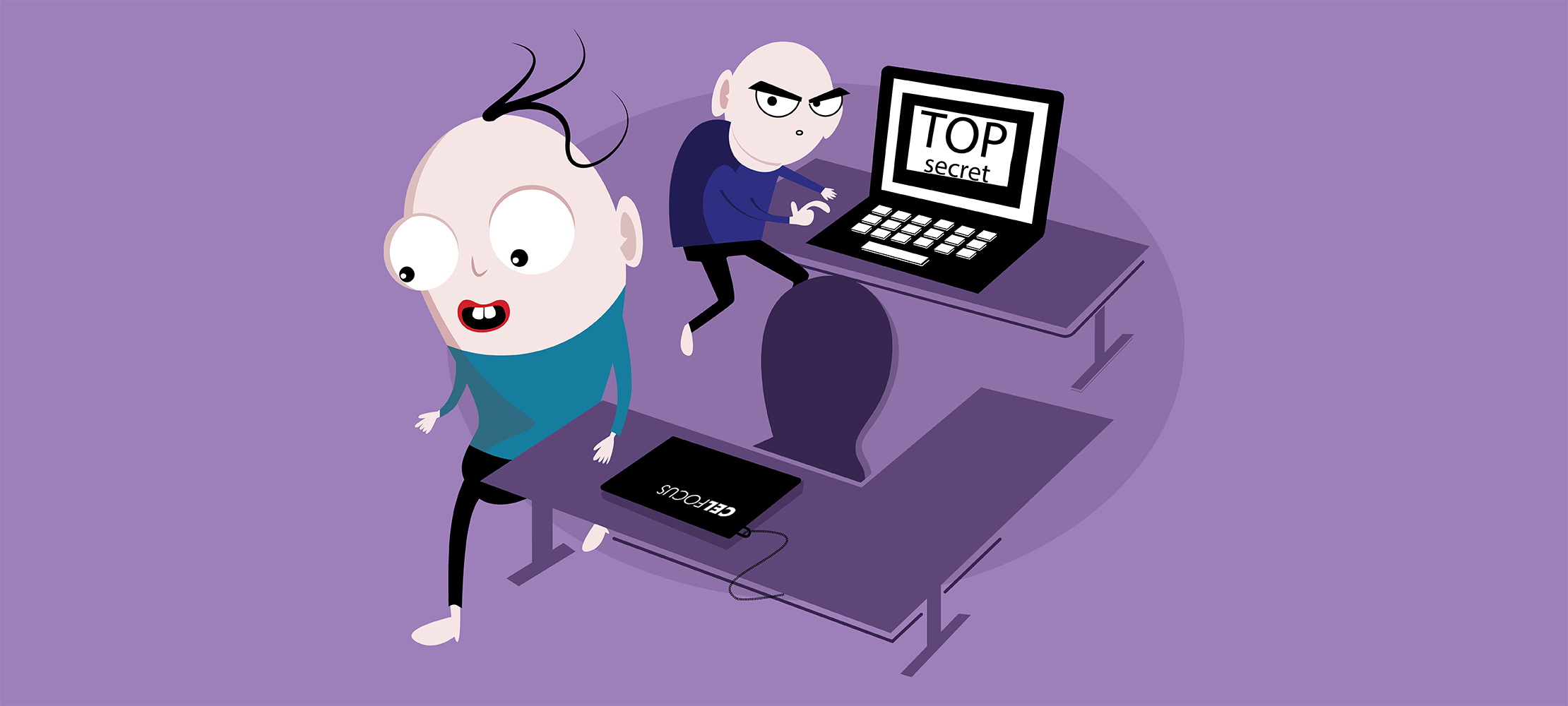
As Internet of Things (IoT) deployments continue to expand across industries, 2025 registered an alarming 84% spike in attempts to breach smart devices, ranging from security cameras to HVAC systems. These devices often fly under the radar, shipped with default passwords and unpatched firmware, making them prime targets for ransomware attacks and lateral network access.
But the threat doesn’t stop at enterprises. Everyday users face serious privacy risks as well. Unsecured home webcams, for example, can be indexed by search engines like Shodan and made accessible to anyone online.
From Wi-Fi-connected baby monitors to pet surveillance cameras, securing these devices before they become entry points for prying eyes is not just important, it's essential.
Encryption is a critical component of everyday cybersecurity, especially when it comes to protecting valuable personal or corporate data stored on your laptop. Whether it's family photos or Celfocus’ internal business documents, encryption secures our data by converting it into unreadable code, ensuring that only authorized individuals can access the information.
Without encryption, a lost or stolen device could become a goldmine for malicious actors. That’s why full-disk encryption tools like BitLocker (for Windows) and FileVault (for macOS) are enabled by default on all Celfocus corporate devices. These tools ensure that even if someone gains physical access to your laptop, the data remains protected.
In today’s threat landscape, encryption isn’t just a nice-to-have, it’s essential to safeguarding our information.
This edition of CALL features two bite-sized challenges designed to boost your awareness of everyday cyber threats. First, test your knowledge with a quiz about QR Code risks that shows how something as simple as scanning a code can lead to phishing, malware, or data leaks. Next, refresh your knowledge about data sharing with AI tools, based on the tips we shared Call’s previous edition.
Click here to start the challenge.
We have a dedicated Security team that works diligently to ensure the protection of our systems, data, and the overall cybersecurity posture of the organisation.
Should you have any questions, concerns, or need assistance regarding security matters, our team is here to help. Please find below the contact information for our Information Security team.
This article is brought to you by the Information Security, Privacy and Business Continuity team.
As Internet of Things (IoT) deployments continue to expand across industries, 2025 registered an alarming 84% spike in attempts to breach smart devices, ranging from security cameras to HVAC systems. These devices often fly under the radar, shipped with default passwords and unpatched firmware, making them prime targets for ransomware attacks and lateral network access.
But the threat doesn’t stop at enterprises. Everyday users face serious privacy risks as well. Unsecured home webcams, for example, can be indexed by search engines like Shodan and made accessible to anyone online.
From Wi-Fi-connected baby monitors to pet surveillance cameras, securing these devices before they become entry points for prying eyes is not just important, it's essential.
Encryption is a critical component of everyday cybersecurity, especially when it comes to protecting valuable personal or corporate data stored on your laptop. Whether it's family photos or Celfocus’ internal business documents, encryption secures our data by converting it into unreadable code, ensuring that only authorized individuals can access the information.
Without encryption, a lost or stolen device could become a goldmine for malicious actors. That’s why full-disk encryption tools like BitLocker (for Windows) and FileVault (for macOS) are enabled by default on all Celfocus corporate devices. These tools ensure that even if someone gains physical access to your laptop, the data remains protected.
In today’s threat landscape, encryption isn’t just a nice-to-have, it’s essential to safeguarding our information.
This edition of CALL features two bite-sized challenges designed to boost your awareness of everyday cyber threats. First, test your knowledge with a quiz about QR Code risks that shows how something as simple as scanning a code can lead to phishing, malware, or data leaks. Next, refresh your knowledge about data sharing with AI tools, based on the tips we shared Call’s previous edition.
Click here to start the challenge.
We have a dedicated Security team that works diligently to ensure the protection of our systems, data, and the overall cybersecurity posture of the organisation.
Should you have any questions, concerns, or need assistance regarding security matters, our team is here to help. Please find below the contact information for our Information Security team.
This article is brought to you by the Information Security, Privacy and Business Continuity team.
As Internet of Things (IoT) deployments continue to expand across industries, 2025 registered an alarming 84% spike in attempts to breach smart devices, ranging from security cameras to HVAC systems. These devices often fly under the radar, shipped with default passwords and unpatched firmware, making them prime targets for ransomware attacks and lateral network access.
But the threat doesn’t stop at enterprises. Everyday users face serious privacy risks as well. Unsecured home webcams, for example, can be indexed by search engines like Shodan and made accessible to anyone online.
From Wi-Fi-connected baby monitors to pet surveillance cameras, securing these devices before they become entry points for prying eyes is not just important, it's essential.
Encryption is a critical component of everyday cybersecurity, especially when it comes to protecting valuable personal or corporate data stored on your laptop. Whether it's family photos or Celfocus’ internal business documents, encryption secures our data by converting it into unreadable code, ensuring that only authorized individuals can access the information.
Without encryption, a lost or stolen device could become a goldmine for malicious actors. That’s why full-disk encryption tools like BitLocker (for Windows) and FileVault (for macOS) are enabled by default on all Celfocus corporate devices. These tools ensure that even if someone gains physical access to your laptop, the data remains protected.
In today’s threat landscape, encryption isn’t just a nice-to-have, it’s essential to safeguarding our information.
This edition of CALL features two bite-sized challenges designed to boost your awareness of everyday cyber threats. First, test your knowledge with a quiz about QR Code risks that shows how something as simple as scanning a code can lead to phishing, malware, or data leaks. Next, refresh your knowledge about data sharing with AI tools, based on the tips we shared Call’s previous edition.
Click here to start the challenge.
We have a dedicated Security team that works diligently to ensure the protection of our systems, data, and the overall cybersecurity posture of the organisation.
Should you have any questions, concerns, or need assistance regarding security matters, our team is here to help. Please find below the contact information for our Information Security team.
This article is brought to you by the Information Security, Privacy and Business Continuity team.
.png)