More
CALL to Curiosity
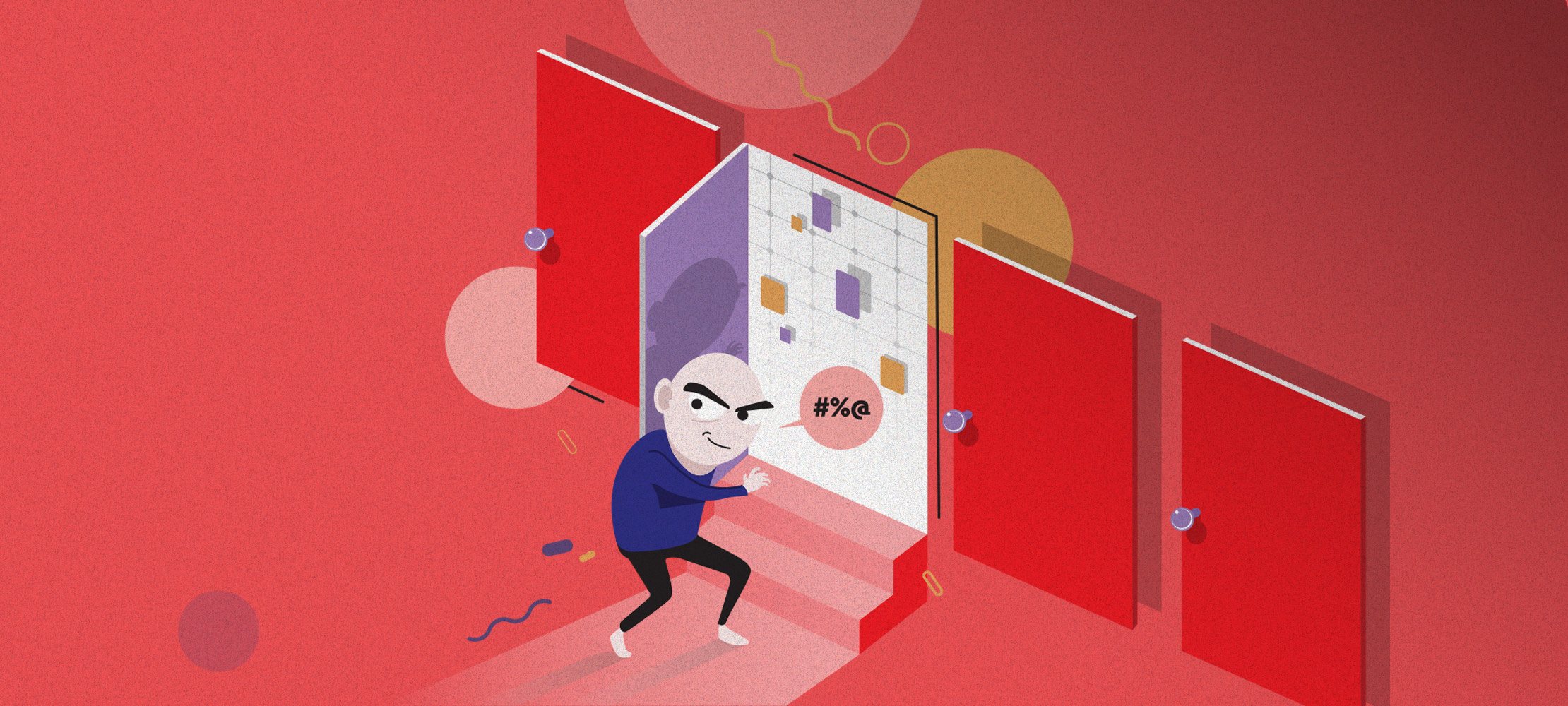
This year, from November 16th to the 22nd, Fraud Awareness Week was celebrated. This shows that it’s important to highlight the increase of fraud related incidents during the holidays, when people usually get more involved in online shopping, and therefore for susceptible to targeted online scams.
New data from a survey Iris has released shows a sharp increase in fraud activity during the holiday season. With scam cases spiking 50% on November 2024 and nearly doubling as compared to September. Iris's 2025 Identity & Cybersecurity Concerns Survey outlines the emotional toll such scams take on victims, from stress and frustration to hopelessness across demographics. With holiday spending continuing to hit record highs, this survey outlines the necessity for people to educate themselves about these types of scams and common red flags to look for. The message is loud and clear: protecting customers this season isn't just about safeguarding wallets, it's about preserving trust and well-being.
With this in mind, please be sure to keep focused on “too good to be true” deals or other types of fraud attempts that could ruin this holidays season by compromising your personal or corporate information.
Source: Yahoo Finance
This represents the psychological manipulation of individuals into divulging confidential information or performing actions that compromise security.
Fraudsters often exploit holiday distractions by posing as trusted entities (banks, retailers, delivery services) to trick people into clicking malicious links or sharing sensitive data.
Some tips to prevent social engineering attacks include always verifying unexpected requests, especially those involving urgency, personal information, or financial transactions.
Here are some examples of Social Engineering techniques:
Smishing, short for “SMS phishing,” is a type of social engineering cyberattack where fraudsters use text messages to trick victims into revealing sensitive information. Smishing exploits human trust through deceptive texts that may link to malware or fraudulent websites.
Vishing, short for “voice phishing,” is a cybercrime in which attackers use phone calls to persuade or scare victims into revealing sensitive information. As a form of phishing, it relies on manipulation rather than technical exploits, such as job offers or financial incentives.
In this edition, we present to you a short 1-minute video, explaining why the holiday season is prime time for malicious actors to attempt fraudulent actions on unsuspecting shoppers and what tell-tale signs to look out for, to prevent this.
Check this short video here.
We have a dedicated Security team that works diligently to ensure the protection of our systems, data, and the overall cybersecurity posture of the organisation.
Should you have any questions, concerns, or need assistance regarding security matters, our team is here to help. Please find below the contact information for our Information Security team:
Email: information.security@celfocus.com
This article is brought to you by the Information Security, Privacy and Business Continuity team.
This year, from November 16th to the 22nd, Fraud Awareness Week was celebrated. This shows that it’s important to highlight the increase of fraud related incidents during the holidays, when people usually get more involved in online shopping, and therefore for susceptible to targeted online scams.
New data from a survey Iris has released shows a sharp increase in fraud activity during the holiday season. With scam cases spiking 50% on November 2024 and nearly doubling as compared to September. Iris's 2025 Identity & Cybersecurity Concerns Survey outlines the emotional toll such scams take on victims, from stress and frustration to hopelessness across demographics. With holiday spending continuing to hit record highs, this survey outlines the necessity for people to educate themselves about these types of scams and common red flags to look for. The message is loud and clear: protecting customers this season isn't just about safeguarding wallets, it's about preserving trust and well-being.
With this in mind, please be sure to keep focused on “too good to be true” deals or other types of fraud attempts that could ruin this holidays season by compromising your personal or corporate information.
Source: Yahoo Finance
This represents the psychological manipulation of individuals into divulging confidential information or performing actions that compromise security.
Fraudsters often exploit holiday distractions by posing as trusted entities (banks, retailers, delivery services) to trick people into clicking malicious links or sharing sensitive data.
Some tips to prevent social engineering attacks include always verifying unexpected requests, especially those involving urgency, personal information, or financial transactions.
Here are some examples of Social Engineering techniques:
Smishing, short for “SMS phishing,” is a type of social engineering cyberattack where fraudsters use text messages to trick victims into revealing sensitive information. Smishing exploits human trust through deceptive texts that may link to malware or fraudulent websites.
Vishing, short for “voice phishing,” is a cybercrime in which attackers use phone calls to persuade or scare victims into revealing sensitive information. As a form of phishing, it relies on manipulation rather than technical exploits, such as job offers or financial incentives.
In this edition, we present to you a short 1-minute video, explaining why the holiday season is prime time for malicious actors to attempt fraudulent actions on unsuspecting shoppers and what tell-tale signs to look out for, to prevent this.
Check this short video here.
We have a dedicated Security team that works diligently to ensure the protection of our systems, data, and the overall cybersecurity posture of the organisation.
Should you have any questions, concerns, or need assistance regarding security matters, our team is here to help. Please find below the contact information for our Information Security team:
Email: information.security@celfocus.com
This article is brought to you by the Information Security, Privacy and Business Continuity team.
This year, from November 16th to the 22nd, Fraud Awareness Week was celebrated. This shows that it’s important to highlight the increase of fraud related incidents during the holidays, when people usually get more involved in online shopping, and therefore for susceptible to targeted online scams.
New data from a survey Iris has released shows a sharp increase in fraud activity during the holiday season. With scam cases spiking 50% on November 2024 and nearly doubling as compared to September. Iris's 2025 Identity & Cybersecurity Concerns Survey outlines the emotional toll such scams take on victims, from stress and frustration to hopelessness across demographics. With holiday spending continuing to hit record highs, this survey outlines the necessity for people to educate themselves about these types of scams and common red flags to look for. The message is loud and clear: protecting customers this season isn't just about safeguarding wallets, it's about preserving trust and well-being.
With this in mind, please be sure to keep focused on “too good to be true” deals or other types of fraud attempts that could ruin this holidays season by compromising your personal or corporate information.
Source: Yahoo Finance
This represents the psychological manipulation of individuals into divulging confidential information or performing actions that compromise security.
Fraudsters often exploit holiday distractions by posing as trusted entities (banks, retailers, delivery services) to trick people into clicking malicious links or sharing sensitive data.
Some tips to prevent social engineering attacks include always verifying unexpected requests, especially those involving urgency, personal information, or financial transactions.
Here are some examples of Social Engineering techniques:
Smishing, short for “SMS phishing,” is a type of social engineering cyberattack where fraudsters use text messages to trick victims into revealing sensitive information. Smishing exploits human trust through deceptive texts that may link to malware or fraudulent websites.
Vishing, short for “voice phishing,” is a cybercrime in which attackers use phone calls to persuade or scare victims into revealing sensitive information. As a form of phishing, it relies on manipulation rather than technical exploits, such as job offers or financial incentives.
In this edition, we present to you a short 1-minute video, explaining why the holiday season is prime time for malicious actors to attempt fraudulent actions on unsuspecting shoppers and what tell-tale signs to look out for, to prevent this.
Check this short video here.
We have a dedicated Security team that works diligently to ensure the protection of our systems, data, and the overall cybersecurity posture of the organisation.
Should you have any questions, concerns, or need assistance regarding security matters, our team is here to help. Please find below the contact information for our Information Security team:
Email: information.security@celfocus.com
This article is brought to you by the Information Security, Privacy and Business Continuity team.
.png)