More
Call to Insights
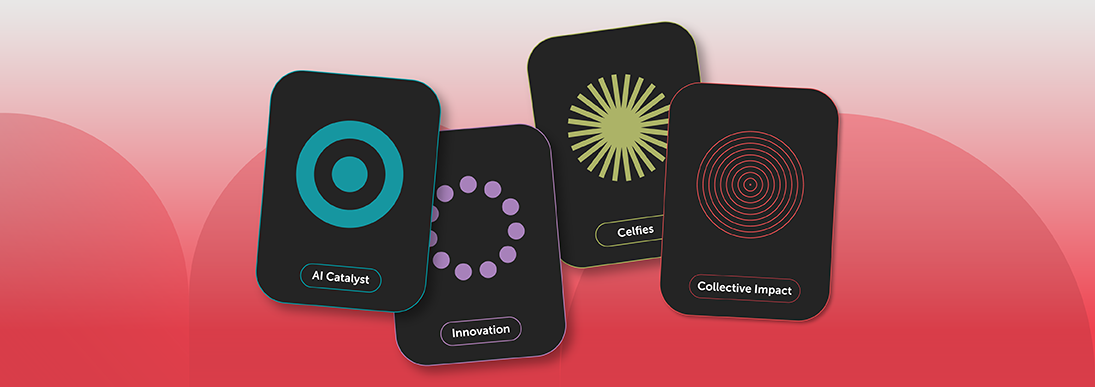
For its sixth edition, the Celfocus Awards celebrated teams rather than individuals, across four categories: AI Catalyst, Innovation, Collective Impact and Celfies.
38 nominations brought together innovative ideas, great stories and teams making an impact. After the jury cast their votes (Álvaro Ferreira, Bruno Monteiro, Dídia Gabriel & Nuno Justino Santos), the winners were selected and revealed at the Celfocus Anniversary Get Together on 21 October.
They started with the team's real problems, not with the tools.
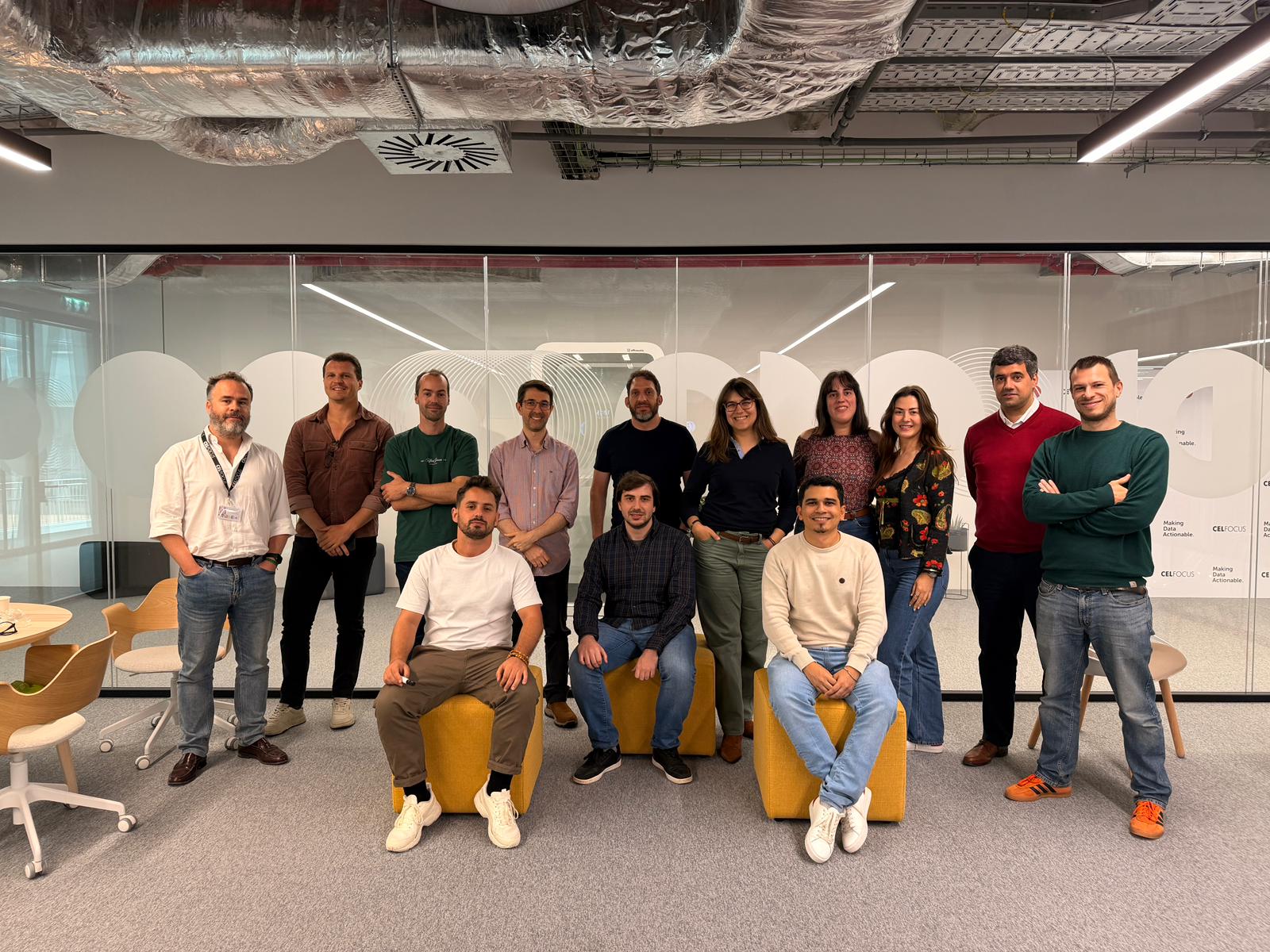
MOST Wanted took a close look at the everyday frustrations in their delivery: user stories that arrived without the information developers needed, documentation and test design competing with development for attention, and manual checks before every release. Then they asked a simple question: where could AI really make a difference?
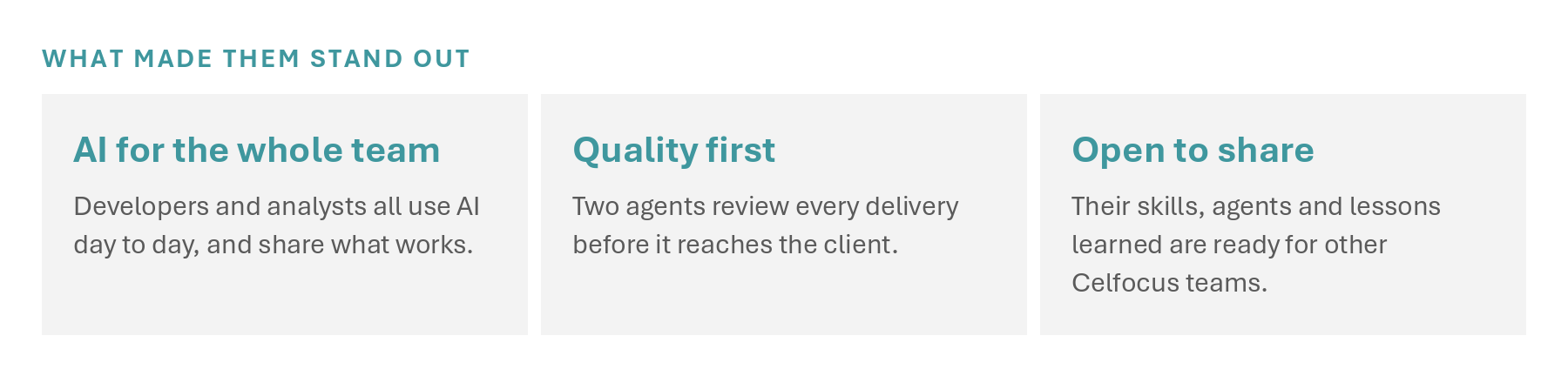
Their answer was AI built into every step of how they deliver. ADO Creator helps anyone write a clear, complete user story. Spec-Driven Development, borrowed from SPARK and adapted to their project, turns specifications into code, tests and documentation, with human revision in the loop.
And two governance agents, the Quality Gate Reviewer and the Release Guardian, check every delivery before it reaches the client. It all started with a hands-on workshop for the whole team, and today AI is part of everyone's daily work.
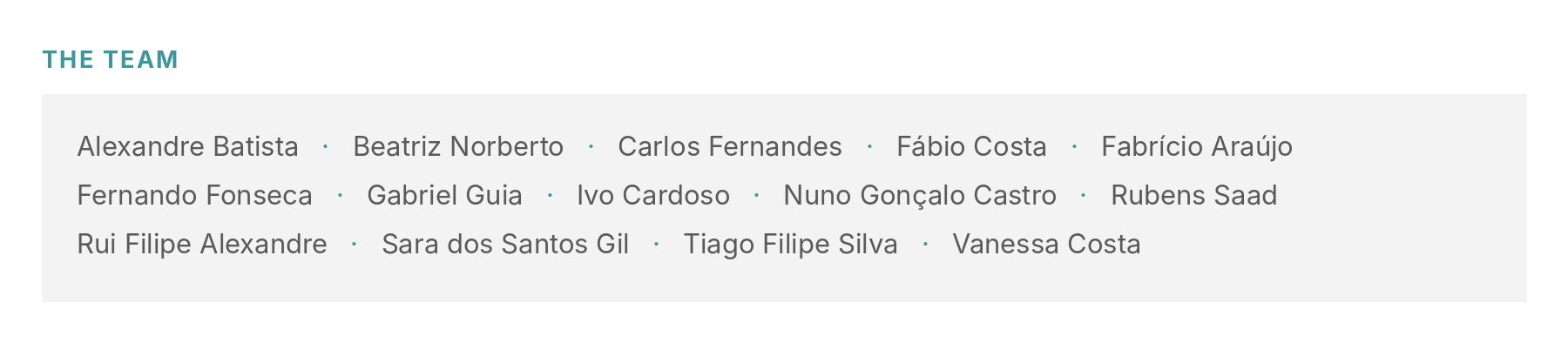
They didn't just use AI. They built the guardrails so everyone else could too.
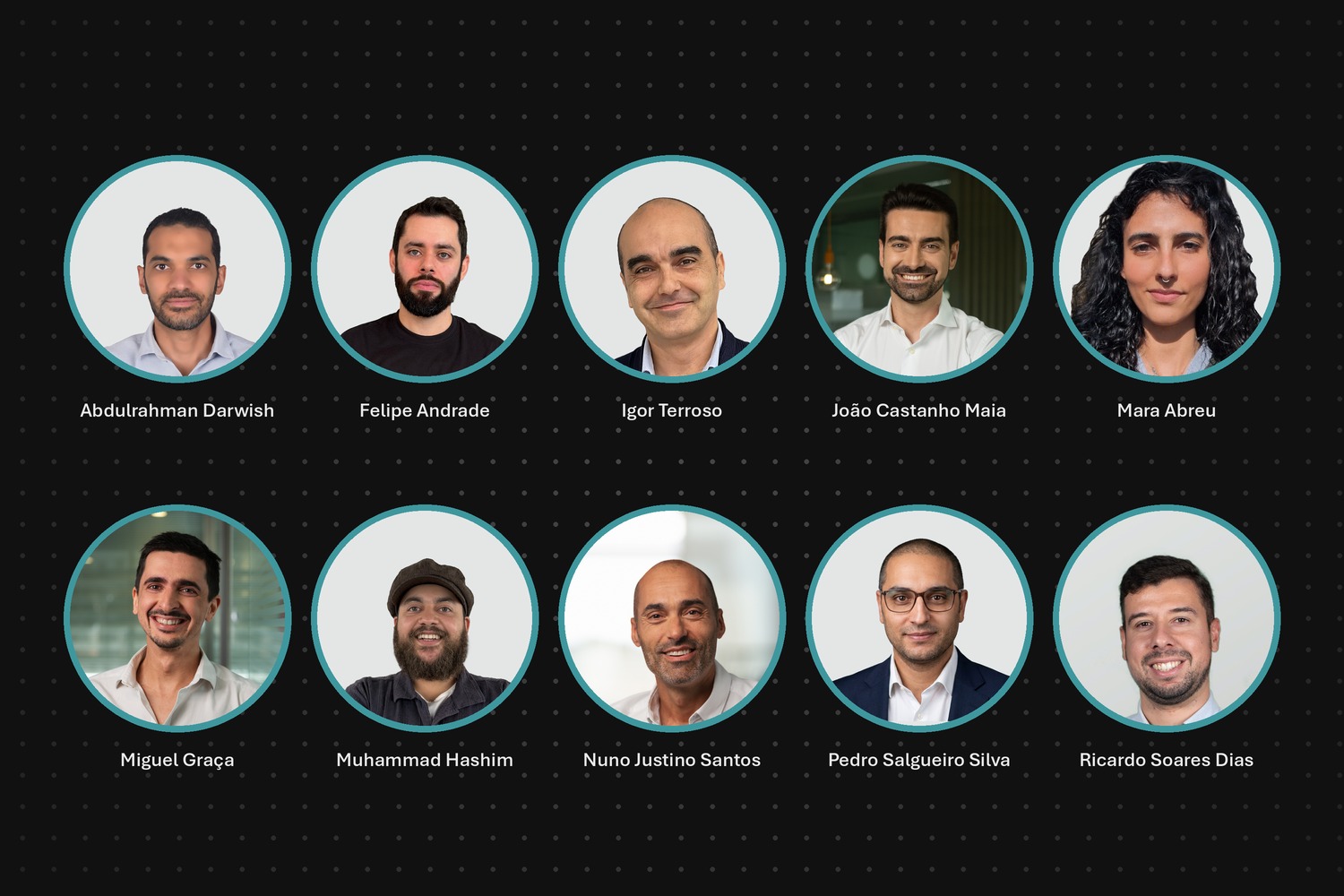
When AI coding assistants arrived, most people used them on their own. SPARK saw a bigger opportunity: changing the way Celfocus delivers software, without losing control of quality. Their framework for Claude Code and GitHub Copilot moves work through clear stages (spec, build and verify), with a human sign-off at every step and code review and security checks built in.
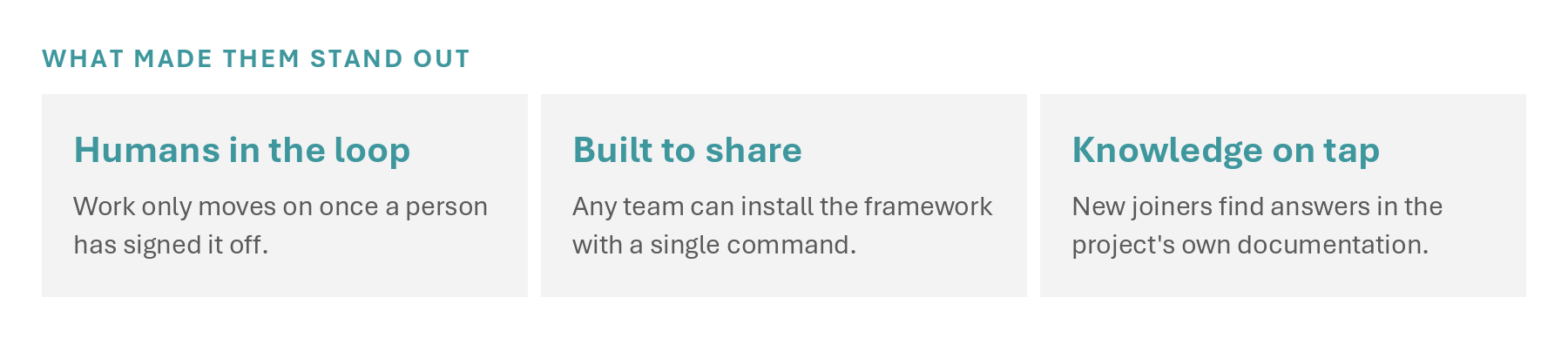
Around it they built a whole toolbox: a Project Knowledge Agent that answers newcomers' questions, a Support Incident Agent connected to Jira, a Figma-to-Code workflow and telemetry that shows where and how AI is being used. Everything installs with a single command, so other teams can adopt it at their own pace.
Houston, we have a root cause.

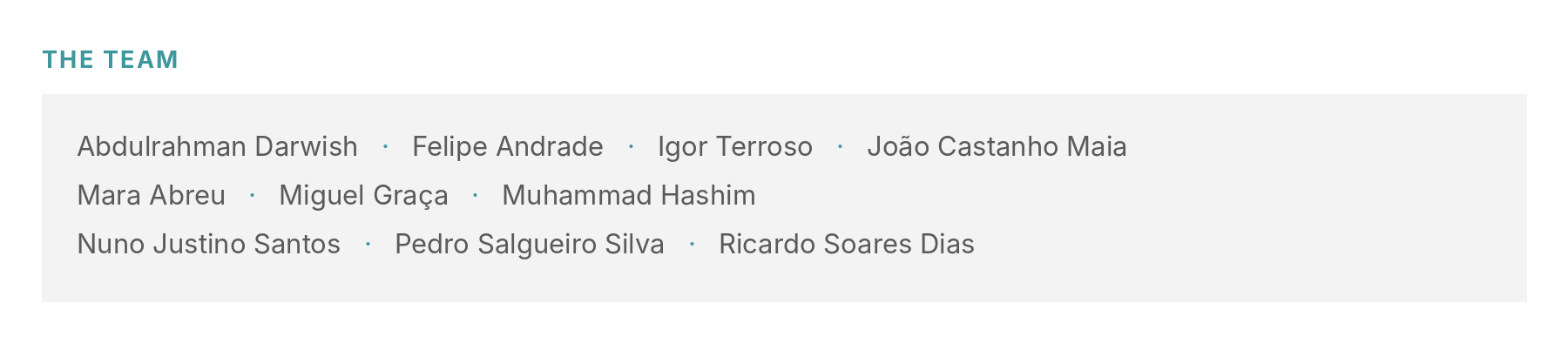
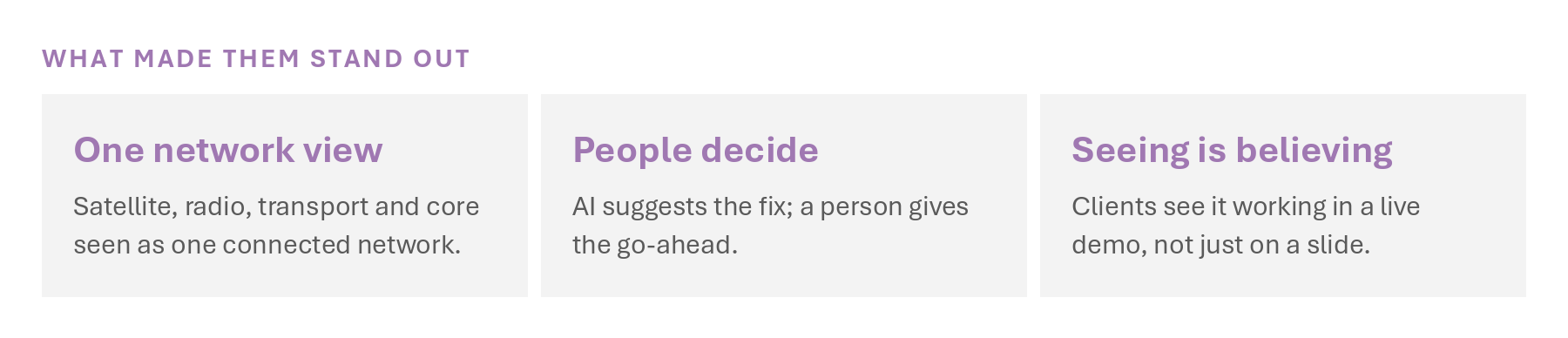
A single network fault can set off a flood of alarms across radio, transport, core and now satellite 5G, each with its own tools. Zero-G Autonomy is a platform that treats all of these as one connected network. It turns an "alarm storm" into a clear, explained root cause and suggests a fix that a person approves before anything happens.
The second twist is how it was built: by AI agents working under strict human direction, review and automated testing. The team showed that the real value of AI-driven development lies in human governance and know-how. Zero-G is already helping Celfocus in proposals, where the team can show a live demo instead of slides.

Three platforms, one team.
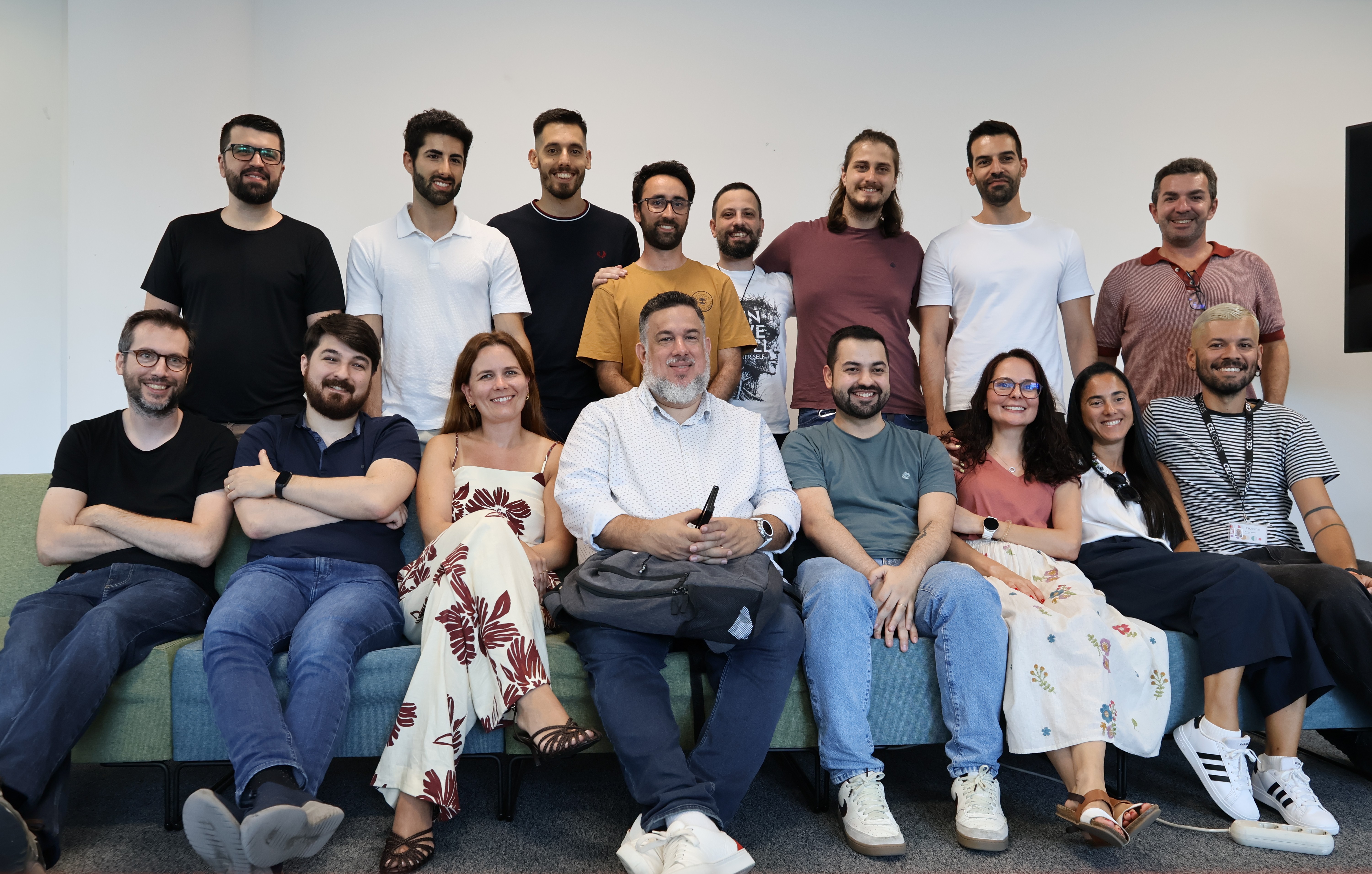
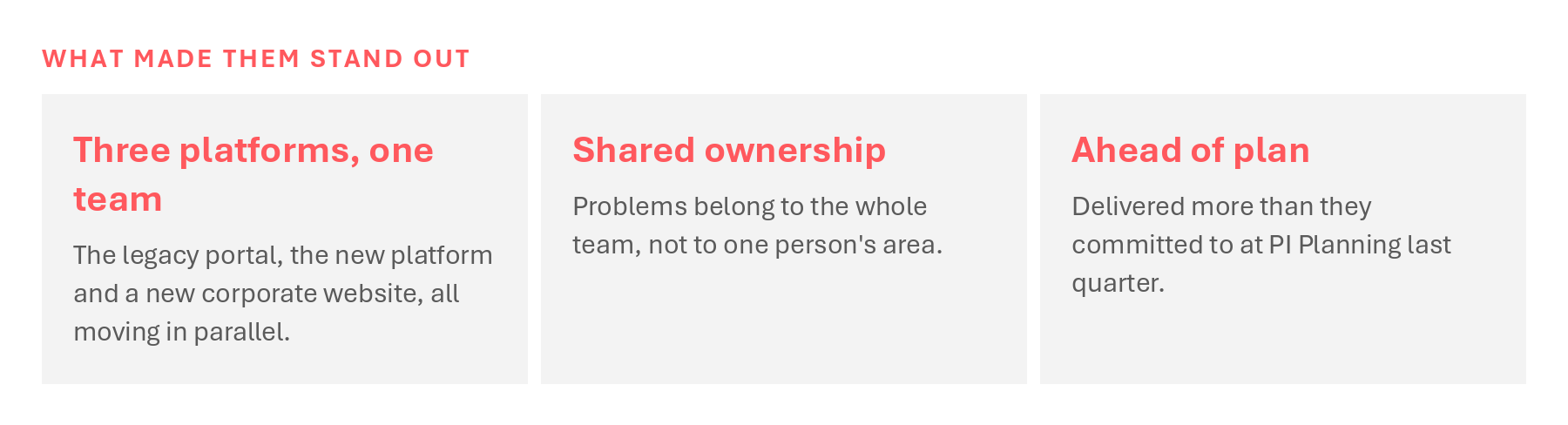
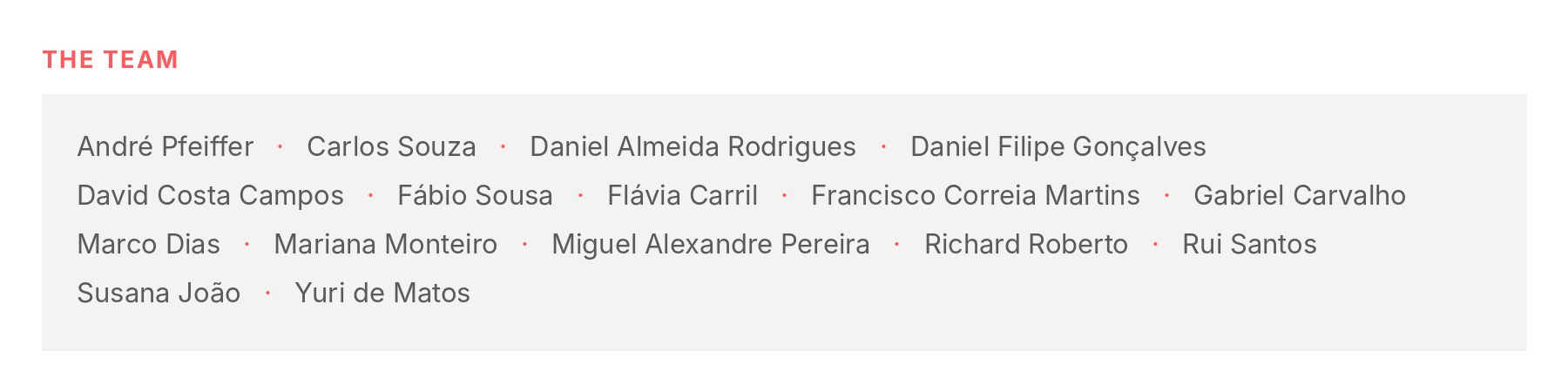
The Misfits’ journey began on site, assessing the effort and impact of moving the capabilities of a legacy customer portal, hand in hand with Vodafone IoT. That close collaboration opened the door to something bigger: helping to lift and shift those capabilities to a new platform. A team made up mostly of Celfocus professionals joined two existing client teams, complementing their work and speeding up delivery, all while keeping the legacy portal running. Along the way, they also helped build a new corporate website, a joint effort with several other teams.
Having started outside the client’s agile framework, the team joined the wider release train about 14 months ago and quickly became part of the delivery engine.
Almost 50 people, one team, plus trampolines, axes and pastéis de nata.

With almost 50 people, Vodafone TV could easily have become a collection of smaller teams. They decided that wouldn't be their story. Instead they built their culture around four simple ideas: Connect, Learn, Belong and Create. Those ideas show up as lunches, dinners and celebrations, regular knowledge-sharing sessions, and turning up together for Celfocus events.
The best part is that nobody waits for an official organiser. Someone says "Who wants to join?" and things happen: trampoline parks, axe-throwing (not at each other, they promise), music sessions and even a pastel de nata baking class. Their motto sums it up nicely: be yourself, be a Celfie.

For its sixth edition, the Celfocus Awards celebrated teams rather than individuals, across four categories: AI Catalyst, Innovation, Collective Impact and Celfies.
38 nominations brought together innovative ideas, great stories and teams making an impact. After the jury cast their votes (Álvaro Ferreira, Bruno Monteiro, Dídia Gabriel & Nuno Justino Santos), the winners were selected and revealed at the Celfocus Anniversary Get Together on 21 October.
They started with the team's real problems, not with the tools.
MOST Wanted took a close look at the everyday frustrations in their delivery: user stories that arrived without the information developers needed, documentation and test design competing with development for attention, and manual checks before every release. Then they asked a simple question: where could AI really make a difference?
Their answer was AI built into every step of how they deliver. ADO Creator helps anyone write a clear, complete user story. Spec-Driven Development, borrowed from SPARK and adapted to their project, turns specifications into code, tests and documentation, with human revision in the loop.
And two governance agents, the Quality Gate Reviewer and the Release Guardian, check every delivery before it reaches the client. It all started with a hands-on workshop for the whole team, and today AI is part of everyone's daily work.
They didn't just use AI. They built the guardrails so everyone else could too.
When AI coding assistants arrived, most people used them on their own. SPARK saw a bigger opportunity: changing the way Celfocus delivers software, without losing control of quality. Their framework for Claude Code and GitHub Copilot moves work through clear stages (spec, build and verify), with a human sign-off at every step and code review and security checks built in.
Around it they built a whole toolbox: a Project Knowledge Agent that answers newcomers' questions, a Support Incident Agent connected to Jira, a Figma-to-Code workflow and telemetry that shows where and how AI is being used. Everything installs with a single command, so other teams can adopt it at their own pace.
Houston, we have a root cause.
A single network fault can set off a flood of alarms across radio, transport, core and now satellite 5G, each with its own tools. Zero-G Autonomy is a platform that treats all of these as one connected network. It turns an "alarm storm" into a clear, explained root cause and suggests a fix that a person approves before anything happens.
The second twist is how it was built: by AI agents working under strict human direction, review and automated testing. The team showed that the real value of AI-driven development lies in human governance and know-how. Zero-G is already helping Celfocus in proposals, where the team can show a live demo instead of slides.
Three platforms, one team.
The Misfits’ journey began on site, assessing the effort and impact of moving the capabilities of a legacy customer portal, hand in hand with Vodafone IoT. That close collaboration opened the door to something bigger: helping to lift and shift those capabilities to a new platform. A team made up mostly of Celfocus professionals joined two existing client teams, complementing their work and speeding up delivery, all while keeping the legacy portal running. Along the way, they also helped build a new corporate website, a joint effort with several other teams.
Having started outside the client’s agile framework, the team joined the wider release train about 14 months ago and quickly became part of the delivery engine.
Almost 50 people, one team, plus trampolines, axes and pastéis de nata.
With almost 50 people, Vodafone TV could easily have become a collection of smaller teams. They decided that wouldn't be their story. Instead they built their culture around four simple ideas: Connect, Learn, Belong and Create. Those ideas show up as lunches, dinners and celebrations, regular knowledge-sharing sessions, and turning up together for Celfocus events.
The best part is that nobody waits for an official organiser. Someone says "Who wants to join?" and things happen: trampoline parks, axe-throwing (not at each other, they promise), music sessions and even a pastel de nata baking class. Their motto sums it up nicely: be yourself, be a Celfie.